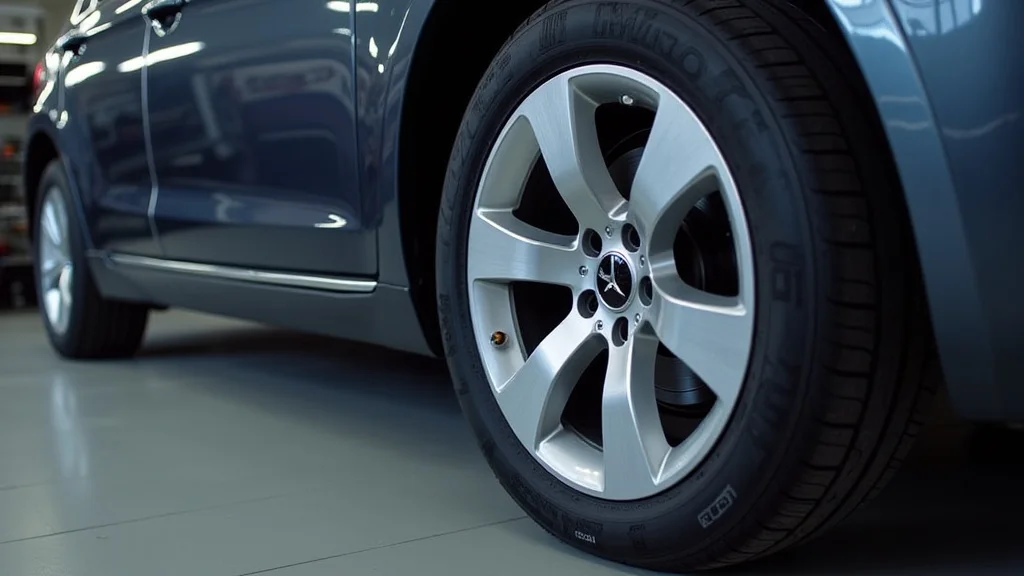

Ever scraped your wheels on a curb? It’s a heartbreaker, right? You’re left with a damaged wheel and the visual reminder of that less-than-perfect moment. Maybe you’re looking to refresh the look of your car or truck. Whatever the reason, you’re probably wondering about the cost of making your wheels look brand new, particularly when considering powder coating. This guide breaks down everything, from the factors that influence the price to how to find the best deal. You’ll explore the process, understand the various pricing elements, and know what questions to ask to make the best decision for your wheels. By the end, you’ll have a clear idea of how much to powder coat wheels and the value it brings.
What is Powder Coating and Why Should You Consider It?
Powder coating is a dry finishing process used to apply a protective and decorative coating to a wide range of materials, including metals. It’s an alternative to liquid paint that utilizes finely ground particles of pigment and resin. These particles are electrostatically charged and sprayed onto a part. The parts are then baked in an oven, which causes the powder to melt and fuse together, forming a durable, uniform finish. This process offers a superior finish in terms of durability, resistance to corrosion, and aesthetic options compared to traditional painting methods. It is commonly used for automotive components, appliances, and architectural applications. The result is a tough, long-lasting finish that’s more resistant to chipping, scratching, and fading.
Powder coating offers numerous advantages over liquid paint. It provides a more durable and resilient finish. The process creates a thicker coating that is more resistant to scratches, chips, and abrasion. Powder-coated surfaces also exhibit excellent resistance to UV rays, chemicals, and corrosion. This makes it an ideal choice for wheels exposed to harsh conditions, such as road salt, brake dust, and extreme temperatures. Furthermore, powder coating is an environmentally friendly process. It produces minimal volatile organic compounds (VOCs) compared to liquid paints, reducing air pollution. The application process is efficient, with minimal waste because any unused powder can be collected and reused.
The Powder Coating Process Step by Step
The powder coating process involves several key steps to ensure a high-quality finish. Understanding these steps can give you a better idea of what to expect and why each contributes to the final cost. These are the main stages involved in the process, from preparation to the final cure. Each step is essential for achieving a durable and visually appealing result. It helps in assessing the value and the time investment required.
- Preparation: This is the most critical step. The wheels are thoroughly cleaned to remove dirt, grease, and old paint. This usually involves sandblasting or chemical stripping to create a clean surface for the powder to adhere. Proper surface preparation guarantees that the coating adheres well and lasts.
- Application: The cleaned wheels are hung or placed on a rack. The powder is applied using a spray gun that electrostatically charges the powder particles. The charged powder sticks to the grounded wheel surface. Precise application techniques ensure uniform coverage and an even finish.
- Curing: The wheels are placed in a curing oven, where they are baked at a specific temperature for a set time, typically between 300°F and 400°F (149°C to 204°C). This process melts the powder, allowing it to flow and form a continuous film. The curing time and temperature vary depending on the powder type and the manufacturer’s instructions.
- Cooling and Inspection: After curing, the wheels are cooled. Once cooled, they are inspected for any imperfections, such as runs or uneven spots. Quality control is essential to ensure that the coating is smooth, consistent, and free of defects. If any issues are found, the wheels may need to be re-coated or touched up.
- Finishing: In some cases, wheels may undergo additional finishing steps, like clear coating for extra protection and gloss or specific designs to enhance the visual appeal. This step adds to the overall cost but significantly impacts the final look and durability of the finish.
Types of Powder Coat Finishes
The type of powder coat finish you choose affects both the look and the durability of the wheels. Different finishes have unique properties that cater to various needs and aesthetic preferences. Some offer superior protection, while others give a specific visual appeal. These options impact the final cost, so it’s good to understand the range of choices.
- Gloss Finishes: These offer a shiny and reflective surface. They enhance the appearance of the wheels and provide a high level of visual appeal. Gloss finishes are relatively easy to clean and maintain, as the smooth surface resists dirt and grime.
- Matte Finishes: These provide a non-reflective, flat appearance. They offer a modern and understated look that is popular for its sleek, low-key style. Matte finishes can hide imperfections and give a sophisticated appearance. They might require more attention during cleaning to prevent staining.
- Satin Finishes: This is a balance between gloss and matte. Satin finishes offer a subtle shine that provides a smooth, elegant appearance. They are often chosen for their moderate level of reflectivity, which offers a balance between gloss and matte.
- Textured Finishes: These finishes have a textured surface, which can add depth and improve grip. They are often used on wheels that need to be more durable or resistant to scratches. Textured finishes may require specialized application techniques.
- Metallic Finishes: These contain metallic flakes that provide a sparkling, reflective effect. They offer a luxurious appearance and can significantly enhance the visual appeal of wheels. Metallic finishes may require a clear top coat to protect the flakes and provide added durability.
Factors That Influence Powder Coating Wheel Costs
Several factors affect the cost of powder coating wheels. These elements can vary significantly depending on the wheel’s condition, size, and the chosen finish. Understanding these elements can help you create a realistic budget and make informed choices. By being aware of these influencing factors, you can effectively manage the overall cost.
Wheel Size and Design
The size and design of your wheels significantly influence the price. Larger wheels require more powder and time for application, which increases labor costs. Intricate designs with multiple spokes, curves, and recesses also increase the time and effort. The more detailed the design, the more complex the preparation and application become. These complex designs require greater attention to detail during the blasting and coating process. Simple, flat surfaces are easier and quicker to coat than complex designs with lots of edges and recesses. Also, the shape influences how much material is required, which directly affects the expense.
- Wheel Diameter: Larger diameter wheels need more powder coating material, increasing the cost.
- Width: Wider wheels will require more surface area to be coated, which also leads to a higher cost.
- Spoke Design: Complex spoke designs increase the application time and the amount of powder needed.
- Surface Area: A larger surface area, especially in intricate designs, adds to the labor costs due to extra preparation and application time.
Preparation and Labor Costs
Preparation is the most time-consuming and labor-intensive part of the powder coating process. This involves removing old paint, cleaning the wheels, and preparing the surface for the coating. Labor costs depend on the time spent on this stage, which can increase the overall price. Experienced technicians may charge more for their skills and ensure a high-quality finish. It’s often where the bulk of the cost resides, as this stage determines the success of the coating. Proper preparation is essential for a good-looking and durable finish.
- Stripping Old Paint: Removing old paint and coatings adds to the preparation time and may involve sandblasting or chemical stripping.
- Surface Cleaning: Thoroughly cleaning the wheels to remove any contaminants that can affect the adhesion and quality of the coating.
- Masking: Masking any areas that shouldn’t be coated (like the hub and mounting surfaces) adds time and cost.
- Labor Rates: Experienced technicians who deliver high-quality work often have higher hourly rates.
Type of Coating and Finish
The choice of powder coat type and finish greatly affects the cost. Standard colors and smooth finishes are generally cheaper. Specialty coatings, such as metallic or textured finishes, typically cost more due to the materials used and the extra steps needed for application. The specific type of finish directly impacts the price. These special coatings provide unique aesthetics and enhanced performance characteristics, but also increase costs due to material and labor demands. Choosing a clear coat for extra protection also adds to the expense.
- Standard Colors: Common colors and smooth finishes are more readily available and less expensive.
- Specialty Colors: Metallic, fluorescent, and custom-mixed colors require more specialized materials and may have higher costs.
- Clear Coat: Applying a clear coat for extra protection and gloss adds to the price.
- Texture: Textured finishes require extra techniques, increasing costs.
Finding the Right Powder Coating Service
Finding a quality powder coating service is essential for getting good results. You want a provider that is experienced, uses high-quality materials, and offers competitive pricing. Choosing the wrong service can result in poor-quality results, and you’ll end up paying twice for a job that needs to be redone. There are several key things to look for when choosing a service. You want the best value to ensure your wheels look great and last for many years. It’s important to do some research to find a reliable service.
Researching Local Shops
The search starts with research to identify local powder coating shops. Online searches and referrals from friends or car clubs can point you to potential options. Reading online reviews and checking customer feedback can help assess the reputation and quality of the services. Looking for local shops gives you the best chance of finding a convenient, reliable service. Reviews can show how the company works and the quality of their past work. Reading reviews can help you weed out the bad options and pinpoint the shops that best suit your needs.
- Online Searches: Use search engines to find powder coating shops in your area.
- Referrals: Ask friends, family, and car clubs for recommendations.
- Online Reviews: Read reviews on platforms like Google, Yelp, and Facebook.
- Portfolio: View their previous work to assess the quality of their finishes.
Getting Quotes and Comparing Prices
Once you’ve identified a few potential shops, get quotes from each one. Provide detailed information about your wheels, including the size, design, and desired finish. Compare the quotes based on the services offered, materials used, and turnaround time. Look for transparency in the quotes to understand what’s included and any additional costs. Price is a key factor, but do not sacrifice quality just to save a few dollars. Request a written estimate to have a clear record of the agreement. This ensures a transparent process and helps you avoid any surprises in the end.
- Request Estimates: Contact multiple shops for quotes.
- Wheel Details: Provide specific wheel dimensions and design details.
- Service Comparison: Assess what’s included in each quote (preparation, finishing, etc.).
- Written Estimates: Always ask for a written quote to have a record of the agreement.
Assessing Quality and Expertise
Quality and expertise are crucial when choosing a powder coating service. Visiting the shop, if possible, can give you a better idea of their operation and equipment. Check for certifications, which indicate the shop’s commitment to quality standards. Inquire about the experience of the technicians and the materials they use. Assess the overall cleanliness and organization of the shop, as this shows professionalism. These elements greatly affect the end product and are important for making an informed decision.
- Shop Visit: If possible, visit the shop to assess its environment and equipment.
- Certifications: Inquire about any relevant industry certifications.
- Materials Used: Ask about the powder coating products and any specific brands used.
- Technician Experience: Find out the experience level of the staff doing the work.
Cost Estimates and Price Ranges
The cost to powder coat wheels varies significantly depending on the size, design complexity, and finish type. Providing clear estimates helps set reasonable expectations. Knowing these ranges enables you to plan your budget efficiently and make informed choices. This knowledge can help you make a budget and evaluate the value of the services offered.
General Price Ranges
The cost to powder coat wheels is typically priced per wheel. You can expect to pay anywhere from $75 to $200 or more per wheel, but the final price depends on the factors previously mentioned. Simple designs with standard colors will often be on the lower end, while intricate designs and custom finishes will be at the higher end. The price generally starts at the lower end for small wheels with basic finishes, increasing with wheel size and design complexity. These ranges will help you create a budget for your project and help you compare estimates from different providers. Remember that prices can vary based on location and the specific services offered.
Breaking Down the Costs
To further examine the overall cost, let’s explore the individual elements that influence the final price. Knowing what makes up the cost will give you a better idea of where your money is going and what to look for when reviewing quotes. Here’s a breakdown of the typical cost components involved in the process, and what they include:
- Preparation: The initial step, including stripping the old paint and cleaning the wheel’s surface. This can range from $25 to $75 per wheel, depending on the complexity and effort required.
- Powder Coating: Applying the powder coat finish itself. This includes the application of the chosen finish, which ranges from $50 to $100 or more per wheel.
- Additional Finishes: Finishing steps, such as clear coats or specialized techniques, may range from $25 to $50 per wheel.
- Labor: Labor costs will encompass the preparation, application, and finishing processes. This accounts for a significant portion of the total price.
Real-Life Examples
Let’s look at a few examples to see how these factors affect the cost. Consider these scenarios to help clarify how various factors influence the final cost. These real-life examples offer insights into what you might pay based on different types of wheels and finishes. This can help you better understand the price and anticipate the total cost of your project.
- Scenario 1: A set of 17-inch alloy wheels with a simple five-spoke design. You want a basic black gloss finish. The total cost, including preparation, coating, and labor, could range from $300 to $400 for the set.
- Scenario 2: A set of 20-inch wheels with a complex multi-spoke design. You’re after a custom metallic finish. The price could easily be $600 to $800, or more, given the increased preparation, specialized materials, and more labor.
- Scenario 3: A set of standard steel wheels for a truck, requiring sandblasting to remove heavy corrosion, and a durable satin finish. The total cost might range between $400 and $500.
The examples highlight how different elements affect the cost. They show the effect of wheel size, design complexity, and chosen finishes on the total price. They will help you estimate the cost of powder coating your wheels.
Maintaining Your Powder Coated Wheels
After powder coating, proper care ensures your wheels look great for years. Knowing how to care for your wheels will keep them looking their best and protect your investment. Regular cleaning, using the proper cleaning products, and avoiding harsh chemicals are essential. Following these guidelines helps preserve the appearance and longevity of the coating.
Cleaning and Care Tips
Simple cleaning practices can significantly extend the life and visual appeal of your wheels. These maintenance practices will ensure your wheels maintain their original look. Regular cleaning and care can keep your wheels in top condition, preventing the build-up of dirt and brake dust, which can damage the coating. It also prevents the potential build-up of road grime, which can erode the finish over time. Regular cleaning is a small investment for the longevity of your powder-coated wheels.
- Regular Washing: Wash your wheels regularly with mild soap and water. Use a soft sponge or microfiber cloth to prevent scratches.
- Avoid Harsh Chemicals: Never use harsh chemicals, abrasive cleaners, or strong solvents, as these can damage the powder coat finish.
- Specialized Wheel Cleaners: Use wheel cleaners designed for powder-coated surfaces. Follow the product instructions.
- Remove Brake Dust: Remove brake dust promptly, as it can be corrosive. Frequent washing will prevent build-up.
Protecting Your Wheels
In addition to regular cleaning, consider additional protective measures to extend the life of the powder coat. These measures will prevent damage from road debris and weather exposure. Following these recommendations can provide an extra layer of protection, keeping your wheels looking fresh for longer. Additional protection helps to defend against damage and increases their lifespan.
- Waxing/Sealing: Applying a coat of wax or a wheel sealant provides an extra layer of protection against the elements.
- Avoid Curb Rash: Be careful when parking near curbs to avoid scratching your wheels.
- Regular Inspections: Regularly inspect your wheels for any signs of damage or wear.
- Professional Repair: Address any chips or scratches promptly. Repairing small issues can prevent them from spreading.
Frequently Asked Questions
Question: How long does the powder coating process take?
Answer: The entire process can take anywhere from a few days to a week or two, depending on the shop’s workload, the complexity of the wheels, and the need for any additional prep work.
Question: Can I powder coat wheels with existing damage?
Answer: Yes, in most cases. The powder coating process can often cover minor imperfections. However, significant damage, such as deep scratches or dents, may require repair before coating, increasing the cost.
Question: Is powder coating environmentally friendly?
Answer: Yes, powder coating is an environmentally friendly process because it produces minimal VOCs (volatile organic compounds) and reduces air pollution. Excess powder can be reclaimed and reused.
Question: How durable is powder coating on wheels?
Answer: Powder coating is very durable, offering excellent resistance to chips, scratches, UV rays, chemicals, and corrosion. This makes it a great option for wheels that are exposed to harsh conditions.
Question: What’s the best way to maintain my powder-coated wheels?
Answer: Regular washing with mild soap and water, avoiding harsh chemicals, and prompt removal of brake dust will help maintain your wheels. Additional protection such as waxing or sealing can provide extra benefits.
Final Thoughts
Knowing how much to powder coat wheels involves more than just a price tag; it’s an investment in your vehicle’s aesthetics and longevity. Several elements impact the final cost, from the size and style of your wheels to the type of finish you choose. Thorough research, obtaining detailed quotes, and selecting a reputable service will ensure you get the best value for your money. Remember, proper preparation and maintenance after the powder coating process are crucial to maintaining the stunning look and durability of your wheels. By taking care of your wheels, you keep them looking their best. Following the guidelines will help you to enjoy the benefits of powder coating. With this knowledge, you are equipped to make informed choices. Get started today and see your wheels transform!