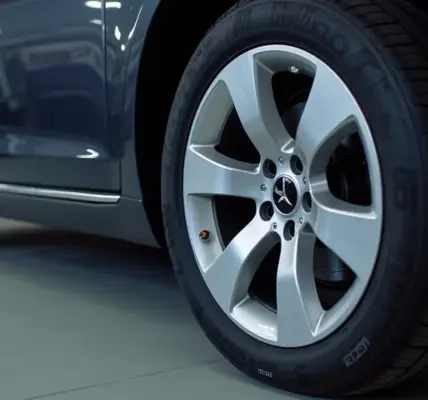
Picture this: you’re cruising down the highway, enjoying a smooth ride, when suddenly you notice uneven tire wear. One tire looks more worn than the others. This can be a frustrating situation, especially when you own an all-wheel drive (AWD) vehicle. You might be wondering, how often to rotate tires awd? It’s a common question, and the answer is important for the longevity of your tires and the performance of your vehicle. This post will explore everything you need to know about tire rotation for AWD cars, helping you save money and keep your vehicle running at its best. You’ll learn the best practices, helping you make the most of your tires.
Understanding All-Wheel Drive and Tire Wear
All-wheel drive systems distribute power to all four wheels, unlike a two-wheel drive where the power goes to only two wheels. This provides superior traction and handling, especially in challenging conditions like snow or rain. However, this also means that all four tires experience wear and tear, and they do not wear at the same rate. Factors such as driving habits, road conditions, and tire type can influence how quickly your tires wear. Understanding how these factors affect your tires is key to proper maintenance.
The Impact of AWD Systems on Tires
The core function of an AWD system is to send power to all wheels simultaneously or when needed, resulting in all four tires experiencing wear. This contrasts with two-wheel-drive vehicles, where only the driving wheels (front or rear) bear the brunt of the acceleration and power, leading to wear differences between the front and rear tires. AWD systems reduce this difference, but they don’t eliminate it entirely. This consistent stress on all tires necessitates regular tire rotation to even out the wear and extend the tires’ lifespan.
- Power Distribution and Tire Wear: AWD vehicles distribute power to all four wheels, which means each tire wears differently. For instance, the front tires might wear faster due to steering and braking, while the rear tires might wear less. Regular rotation helps balance this wear.
- Traction and Grip: AWD systems improve traction, which leads to added stress on tires. Frequent starts, stops, and turns cause the tires to wear, and rotating them regularly ensures consistent grip and performance.
- Cost Implications: Ignoring tire rotation in an AWD vehicle leads to uneven wear, resulting in premature tire replacement and increased costs. Regular rotation extends tire life, reducing the frequency and cost of tire replacement.
- Vehicle Performance: Consistent wear across all tires enhances handling and stability. Rotating tires helps maintain balance, ensuring optimal performance and safety in various driving conditions.
Factors Influencing Tire Wear
Several factors beyond the AWD system itself influence how quickly your tires wear. These factors can vary based on individual driving habits, road conditions, and tire types. For instance, aggressive driving with rapid acceleration and hard braking causes more wear than gentle driving. The road surface also plays a part; rough or poorly maintained roads wear tires faster than smooth, well-paved ones. Additionally, the type of tires (summer, all-season, or winter) and the inflation pressure influence their wear rate. Regular tire checks, proper inflation, and adjusting driving styles can help extend the life of your tires.
- Driving Habits: Aggressive driving, with frequent starts, stops, and sharp turns, causes accelerated tire wear compared to a more relaxed driving style.
- Road Conditions: Driving on rough, potholed, or gravel roads increases tire wear more than driving on smooth, well-maintained surfaces.
- Tire Type: Summer tires, designed for optimal grip in warm conditions, may wear faster than all-season or winter tires.
- Tire Pressure: Under-inflated or over-inflated tires wear unevenly. Proper inflation is vital for even wear.
How Often to Rotate Tires AWD Vehicles
Deciding how often to rotate tires awd is critical to extend tire life and maintain performance. The recommended frequency of tire rotation for AWD vehicles is generally more frequent than for two-wheel-drive vehicles. Keeping track of your mileage and the wear patterns on your tires will ensure you follow the best practices to keep your tires in shape. You want to make sure you’re getting the best value for your money.
Recommended Intervals and Best Practices
As a general guide, most experts recommend rotating your AWD vehicle’s tires every 5,000 to 7,500 miles. This recommendation applies to most AWD systems. Some manufacturers might provide specific guidance in the owner’s manual. It is best to stick to that guidance. Regular rotation prevents uneven wear, ensuring all tires wear at a similar rate. Following the recommended intervals is essential, but it is equally important to inspect your tires regularly for any signs of uneven wear, such as cupping, feathering, or irregular patterns. This quick check can help identify potential issues that need addressing before they escalate.
- Mileage-Based Rotation: Adhering to a mileage schedule is a simple way to ensure regular tire rotations. Set a reminder in your calendar or track your mileage to align with the recommended interval of 5,000 to 7,500 miles.
- Visual Inspection: Regularly check your tires for wear patterns. Look for signs of uneven wear, such as the outer edges of the tires wearing faster or the tires wearing in a cupped or scalloped pattern.
- Seasonal Changes: When switching between summer and winter tires, take the opportunity to rotate your tires, ensuring even wear across all sets.
- Professional Advice: Consulting a tire professional will help determine any adjustments to the rotation schedule based on your driving habits, road conditions, and tire types.
Understanding Tire Rotation Patterns for AWD Vehicles
The tire rotation pattern for AWD vehicles varies slightly from that of two-wheel-drive vehicles. The main idea is to move the tires around in a way that allows them to wear evenly, which maximizes their lifespan. In general, there are two common rotation patterns for AWD vehicles: the “X” pattern and the “forward cross” pattern. In the “X” pattern, the front tires go to the opposite rear positions, and the rear tires go to the opposite front positions. The “forward cross” pattern moves the front tires straight to the rear, while the rear tires come forward to the same side of the vehicle. Always consult your owner’s manual for the manufacturer’s recommended rotation pattern, as specific guidance varies by vehicle model.
- X-Pattern: The “X” pattern involves moving the front tires to the opposite rear positions and the rear tires to the opposite front positions. This is a common pattern for AWD vehicles as it promotes even wear.
- Forward Cross Pattern: In the forward cross pattern, the front tires move straight back, and the rear tires move forward to the same side of the vehicle.
- Directional Tires: If your tires are directional, meaning they are designed to rotate in only one direction, the rotation pattern will be a front-to-back rotation, without crossing tires.
- Consult Your Owner’s Manual: Always refer to your vehicle’s owner’s manual for the recommended tire rotation pattern, as it varies by vehicle.
The Benefits of Regular Tire Rotation
There are significant benefits to keeping a schedule for how often to rotate tires awd. Regular tire rotation offers a range of advantages that impact both the lifespan of your tires and the overall performance of your vehicle. These benefits can lead to cost savings by extending tire life and enhancing your vehicle’s handling and safety.
Extending Tire Lifespan and Saving Money
One of the most obvious benefits of rotating your tires is that it can significantly extend their lifespan. Tire wear is not uniform, and regular rotation helps distribute this wear evenly across all four tires. The benefit is you will get more miles out of each tire set, which reduces the frequency of tire replacements. Extending tire life helps to save money on this ongoing expense, ensuring better value for your investment in tires. By following a consistent rotation schedule, you can avoid premature tire replacements.
- Reduced Tire Wear: Tire rotation helps minimize the effects of uneven wear, ensuring that all tires wear at a similar rate.
- Extended Tire Life: This even wear results in a longer lifespan for your tires, allowing you to drive more miles before you need to replace them.
- Cost Savings: Less frequent tire replacements result in significant cost savings over the lifespan of your vehicle.
- Improved Value: Regular maintenance maximizes the value of your tire investment by ensuring you get the most out of your tires.
Enhanced Vehicle Performance and Safety
Regular tire rotation contributes to improving the overall handling and safety of your vehicle. Even wear across all four tires ensures that your vehicle maintains optimal traction and control, which is especially important in AWD systems where all wheels contribute to power and handling. Consistent performance in various driving conditions, including wet or icy roads, is enhanced. Proper tire management increases the safety and enjoyment of driving your AWD vehicle.
- Improved Handling: Even tire wear ensures your vehicle handles predictably.
- Enhanced Traction: Consistent tire wear provides better grip, especially on wet or icy roads.
- Optimized Stability: Balanced tire wear contributes to better overall stability, reducing the risk of skidding or loss of control.
- Consistent Performance: Regular rotation ensures consistent performance in all driving conditions.
Common Mistakes to Avoid
Avoid these common mistakes to maximize your tires’ lifespan and performance. Mistakes can include neglecting the correct rotation schedule, ignoring warning signs, and failing to maintain proper tire inflation. Addressing these common errors is key to keeping your AWD vehicle’s tires in top condition.
Ignoring Recommended Rotation Intervals
One of the most common errors is failing to rotate tires at the recommended intervals. Skipping a rotation can result in uneven wear patterns, which leads to reduced tire life and potential issues with handling and safety. Regular, scheduled rotations ensure that all tires wear evenly, maximizing their lifespan and maintaining optimal performance. Stick to the manufacturer’s suggested mileage or time frame to keep your tires in shape.
- Consequence: Premature and uneven tire wear
- Solution: Follow a regular rotation schedule, typically every 5,000 to 7,500 miles.
- Preventative Action: Set reminders or use a mileage tracker to stay on top of rotations.
- Benefit: Extends tire life and improves performance.
Neglecting Tire Pressure and Alignment
Ignoring tire pressure and alignment is another mistake. Correct tire pressure and wheel alignment are essential for even tire wear. Driving on tires that are under-inflated or over-inflated can cause irregular wear patterns, shortening their lifespan and affecting handling. Likewise, poor wheel alignment can lead to the tires wearing down much faster on one side. Making sure your tires are properly inflated and aligned is essential to your tires’ performance and your vehicle’s safety.
- Consequence: Uneven wear and reduced tire life
- Solution: Check tire pressure regularly and have your alignment checked annually.
- Preventative Action: Use a tire pressure gauge and consult a professional for alignment checks.
- Benefit: Extends tire life and enhances handling and fuel efficiency.
Tire Rotation vs. Tire Replacement: Making the Right Decision
Understanding the difference between tire rotation and tire replacement is key for maintaining your vehicle’s tires. Tire rotation helps to even out wear and extend the lifespan of your tires, while tire replacement becomes necessary when the tires are excessively worn, damaged, or cannot be repaired safely. Recognizing the right time for each of these actions is essential for both your safety and your wallet. Knowing when to rotate versus replace ensures the best performance and safety from your vehicle’s tires.
When to Rotate Tires vs. When to Replace
Tire rotation is a regular maintenance task aimed at extending the life of your tires by redistributing wear. Tire replacement is a more significant measure that becomes necessary when tires are worn beyond the safe limit, damaged, or when rotation cannot solve uneven wear issues. Regular inspection of your tires and understanding the difference between the two can help you maintain your tires and your car.
- When to Rotate: Rotate your tires regularly as recommended, typically every 5,000 to 7,500 miles, to ensure even wear. This maintenance prolongs the life of the tires and optimizes handling.
- Reasons for Replacement: Replace tires when they reach the wear bars (the tread is worn down to a certain depth), when they have sustained significant damage like sidewall bulges or cuts, or if the tread is worn unevenly to the point that rotation cannot correct the issue.
- Tire Inspection: Conduct a visual inspection of your tires regularly, checking for unusual wear patterns, cuts, or bulges that may indicate damage.
- Professional Advice: Consult a tire professional if you’re unsure about whether to rotate or replace your tires, to ensure your safety and vehicle performance.
Making Informed Decisions About Tire Care
Making informed decisions about tire care involves a combination of understanding how often to rotate tires awd, knowing when to replace them, and adopting good driving habits. Regular maintenance, including tire pressure checks, and tire rotations, is crucial for preserving your tires. Consider your driving conditions and adjust your driving style. These steps ensure your vehicle operates safely and efficiently. Making good decisions around your tires maximizes your investment and provides peace of mind on the road.
| Decision | Action | Frequency | Benefits |
|---|---|---|---|
| Tire Rotation | Follow the recommended rotation pattern. | Every 5,000-7,500 miles. | Extends tire life, improves handling. |
| Tire Pressure Check | Check and adjust tire pressure. | Monthly | Enhances fuel efficiency and safety. |
| Tire Inspection | Examine tires for wear and damage. | Regularly | Ensures safety and detects issues. |
| Wheel Alignment Check | Have alignment checked and adjusted. | Annually | Promotes even tire wear and handling. |
Frequently Asked Questions
Question: Why is tire rotation important for AWD vehicles?
Answer: Tire rotation is important for AWD vehicles because the power distribution to all four wheels causes more even tire wear. Regular rotation helps to balance this wear, extending tire life and maintaining optimal handling.
Question: How often should I rotate my AWD vehicle’s tires?
Answer: You should rotate your AWD vehicle’s tires every 5,000 to 7,500 miles. Always check your vehicle’s owner’s manual, as some manufacturers recommend different intervals.
Question: Can I rotate my own tires, or do I need a professional?
Answer: You can rotate your tires if you have the right tools and knowledge. However, if you are unsure or lack the proper equipment, it’s always best to have a professional complete the rotation.
Question: What happens if I don’t rotate my tires?
Answer: If you don’t rotate your tires, they will wear unevenly. This can lead to reduced tire life, compromised handling, and the need for earlier tire replacement.
Question: Are there different tire rotation patterns for AWD vehicles?
Answer: Yes, there are different patterns, but the most common for AWD vehicles are the “X” pattern and the forward cross pattern. Always consult your owner’s manual to determine the correct pattern.
Final Thoughts
Now you have a better idea of how often to rotate tires awd. Regular tire rotation is a crucial maintenance practice for all-wheel-drive vehicles. It is essential to understand the recommended intervals and correct rotation patterns. By following the best practices, you can extend your tires’ lifespan, improve vehicle handling, and maintain safety on the road. Remember to check your tires regularly for signs of wear and damage, and consult your owner’s manual for specific guidelines. Implementing these suggestions will protect your tires, save you money, and give you peace of mind.