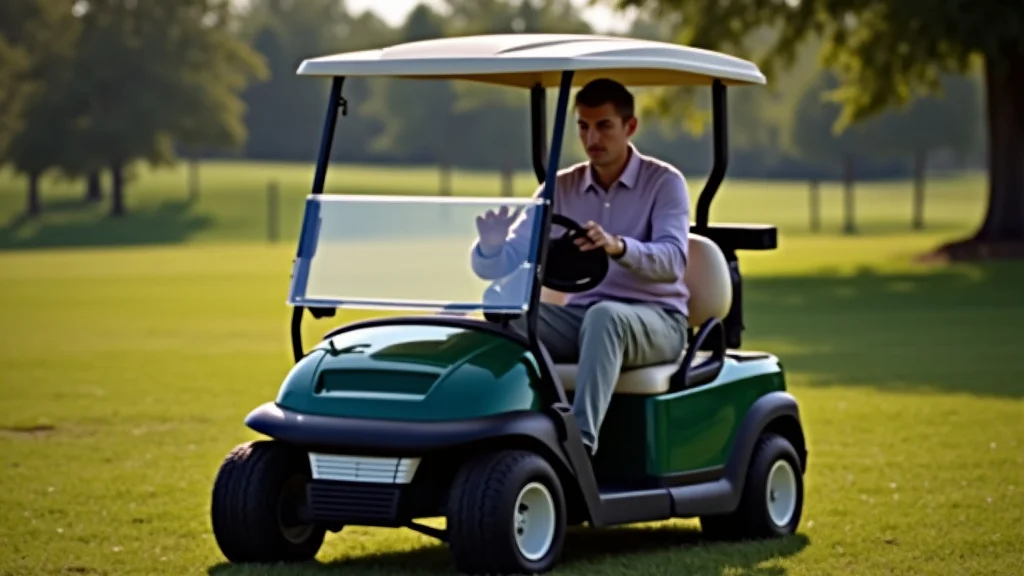

Picture this: a sunny afternoon, a gently rolling golf course, and you, ready to take a spin. But before you grab the keys to a golf cart, there’s a question everyone asks: how old do you have to drive a golf cart? Maybe you’re a teenager eager to cruise around your neighborhood or someone planning a golf outing. This guide breaks down the age requirements, laws, and safety tips you need to know. You’ll get all the necessary information to stay safe and legal on your next ride, improving your Time on Page and reducing your Bounce Rate.
Golf Cart Age Rules Around the US
The age requirements for operating a golf cart can vary significantly depending on where you are. Some states and municipalities have clear, straightforward laws, while others might not have any specific regulations at all. This lack of uniformity can create confusion. It’s important to know the specific rules where you plan to drive a golf cart. Checking local ordinances, such as city or county websites, is the best way to get the most accurate and up-to-date information. Ignoring these can result in tickets, fines, or even the loss of your driving privileges.
State-by-State Golf Cart Regulations
Every state has its unique approach to golf cart regulations. Some states have specific age requirements, while others leave it up to local jurisdictions. Some states consider golf carts to be similar to low-speed vehicles (LSVs), which have specific rules. LSVs are usually street-legal and require a driver’s license. The details might include specific road usage restrictions, such as where you can drive them. Always check your state’s DMV (Department of Motor Vehicles) website or local law enforcement for the most current information. Because these rules can change, it’s a good idea to refresh your knowledge often, especially if you move or plan to drive in a new area.
- Age Requirements: States typically set minimum ages for golf cart operation, often aligning with the age for a learner’s permit or a full driver’s license. For example, a state might require drivers to be at least 14 or 15 years old.
- Licensing: Some areas require a driver’s license or permit, while others may not. This depends on whether the golf cart is street-legal in that area.
- Road Restrictions: Golf carts are usually restricted from driving on highways. Many are limited to roads with a certain speed limit or designated golf cart paths.
- Safety Features: Requirements for safety features like headlights, taillights, seatbelts, and turn signals can differ.
For example, Florida requires a driver’s license to operate a golf cart on public roads, while many states do not. Knowing these differences is critical. In states with less strict laws, it might seem simple to drive a golf cart. However, safety should always come first. Make sure everyone knows the rules before you begin.
Local Golf Cart Ordinances
Local ordinances often add to the state’s rules. Cities, towns, and counties have the power to create their own regulations that apply within their boundaries. These local rules can be stricter than the state’s rules or provide more specific guidelines. You may find them at your city hall, town clerk’s office, or on the local government’s website. They might cover speed limits, areas where carts are permitted, and parking rules. These ordinances are put in place to help keep everyone safe and to manage the use of golf carts effectively. It is essential to be aware of and follow both state and local rules.
- Speed Limits: Local rules often set maximum speeds for golf carts on local roads. This helps to protect both the golf cart drivers and others using the road.
- Permitted Roads: Ordinances often specify which roads golf carts are allowed on, often excluding busy highways or roads with high-speed limits.
- Parking: Parking restrictions might be in place, such as where and how golf carts can be parked on streets or public spaces.
- Golf Cart Zones: Some areas may designate specific zones or neighborhoods where golf cart use is encouraged or permitted.
A town might have a rule that golf carts are only allowed on roads with a speed limit of 25 mph or less. Another might require a permit and a safety inspection for golf cart operation on public streets. Knowing these local laws helps you avoid fines and maintain the safety of yourself and others. This means being a responsible golf cart operator means respecting both state and local rules.
Key Safety Tips for Golf Cart Operation
Operating a golf cart safely is about following the rules and practicing good habits. Even if you know how old you have to drive a golf cart in your area, you need to know how to drive one safely. Think of it like any other vehicle: safety comes first. Being a responsible driver includes many different elements. These can be as simple as wearing seatbelts to regularly checking your golf cart. Proper operation involves staying aware of your surroundings, following speed limits, and adjusting your driving habits based on the situation. By following these safety tips, you can greatly reduce the risks and enjoy your golf cart experience safely.
Golf Cart Safety Features
Golf carts come with different features that can help keep you safe. Understanding these features and how they work is an important part of safe driving. Modern golf carts may include more safety features than older models. Making sure all these are working correctly before you begin can help you avoid accidents. Always inspect your golf cart before using it.
- Seatbelts: Make sure your golf cart is equipped with seatbelts and that everyone in the cart wears them. Seatbelts can help prevent injuries in case of a crash or sudden stop.
- Headlights and Taillights: Using these makes you more visible to other vehicles, especially at dusk, dawn, or in low-light conditions.
- Turn Signals: These communicate your intentions to other drivers, such as when you are turning or changing lanes.
- Brakes: Make sure the brakes work correctly and can stop the golf cart quickly and effectively. Test them regularly.
- Mirrors: Mirrors provide you with a wider view of what is around the golf cart. Knowing what’s around you is vital.
Golf carts usually don’t have all the safety equipment that cars do. The best way to stay safe is to drive defensively. Staying aware of what’s happening around you and being ready to respond helps prevent accidents.
Safe Driving Practices for Golf Carts
Safe driving practices for golf carts are like those for any vehicle, but with a few unique considerations due to their size and speed capabilities. Practicing these can help make your driving safer and reduce the risk of accidents. Defensive driving is a key skill. This includes expecting the unexpected, staying alert, and knowing how to react. A golf cart’s smaller size means it may not be seen by drivers in larger vehicles. Drive defensively. Pay close attention to traffic and always signal your intentions.
- Speed Limits: Always stay within the posted speed limits. Golf carts are generally slower than cars, so adjust your speed accordingly, especially in residential areas or near pedestrians.
- Following Distance: Keep a safe distance from the vehicle in front of you. This gives you time to react if the vehicle ahead stops suddenly.
- Awareness: Be alert to your surroundings. Watch out for pedestrians, cyclists, and other vehicles. Always be aware of other traffic.
- Weather Conditions: Reduce your speed and drive with extra caution in wet or adverse weather conditions.
- Traffic Signals: Make sure you understand and follow traffic signals. Never run a red light or ignore stop signs.
Avoid driving under the influence of drugs or alcohol. Never operate a golf cart if you are impaired. These rules exist to protect you and others around you. Following these practices makes for safer driving for everyone.
Golf Cart Maintenance
Keeping up with regular maintenance is key to the safe operation of any vehicle. Golf carts need maintenance, too. Regular maintenance helps keep the golf cart in good working order and prevents unexpected problems. Checking your golf cart regularly can help you catch problems early. A well-maintained golf cart is safer and more reliable. Ignoring these needs can lead to unexpected breakdowns or safety risks. You can keep your golf cart in great shape with these maintenance steps.
- Tire Pressure: Regularly check and maintain the correct tire pressure. This can improve your handling and safety.
- Brakes: Check and maintain your brakes. Make sure they are working correctly, and can stop the cart effectively.
- Steering: Check the steering mechanism to make sure it is responsive and does not have any issues that make it difficult to control.
- Lights: Make sure that the headlights, taillights, and turn signals are working correctly. They help you be seen by other drivers.
- Battery: If your cart is electric, make sure you properly maintain your battery to ensure good performance and prevent breakdowns.
By regularly inspecting and maintaining your golf cart, you can reduce the chances of mechanical failures. This also makes the experience of using the golf cart better and safer. By taking good care of your golf cart, you are also making sure that you have fun. Keeping your golf cart in good shape keeps you safe on the road.
Golf Carts Versus Low-Speed Vehicles (LSVs)
Golf carts and low-speed vehicles (LSVs) often get confused, but they are different. Both are designed for local travel, but LSVs often have more features and follow more stringent rules. LSVs are street-legal, and golf carts are typically not, although there are exceptions depending on the local regulations. Knowing the differences is important for safe and legal driving. This ensures that you are following the rules and keeping yourself and others safe.
What are Low-Speed Vehicles (LSVs)?
Low-speed vehicles (LSVs) are also known as neighborhood electric vehicles (NEVs). These are vehicles that are designed for use on roads with speed limits of 35 mph or less. LSVs must meet specific federal safety standards, similar to those for cars. This includes things like headlights, taillights, turn signals, seatbelts, and windshields. They are designed to travel at speeds greater than a golf cart but less than other motor vehicles. These must be registered and meet the same requirements as other cars.
- Street Legal: LSVs are street-legal and can be driven on public roads. This means that they must be registered and licensed.
- Safety Features: LSVs have to meet a list of safety standards set by the federal government.
- Speed: LSVs are designed for areas with lower speeds, such as neighborhoods.
- Regulations: LSVs have to follow all the usual driving rules, such as traffic laws, speed limits, and right-of-way rules.
LSVs are often used for local transportation in communities. They provide a practical, eco-friendly option. LSVs are often used in retirement communities, college campuses, and resort areas. Their safety features make them a good option for driving on public roads.
Key Differences Between Golf Carts and LSVs
There are several key distinctions between golf carts and LSVs. Understanding these differences can help ensure you’re driving legally and safely. LSVs are designed to be driven on public roads and must meet several federal safety rules. LSVs are required to have safety features and other equipment that golf carts are not. This includes things like seatbelts, headlights, and turn signals. Understanding these differences can help you make a better choice of which vehicle to choose.
| Feature | Golf Cart | Low-Speed Vehicle (LSV) |
|---|---|---|
| Street Legal | Usually not, unless specifically permitted by local regulations | Yes, in most jurisdictions, and must meet certain federal standards |
| Federal Safety Standards | Generally, not required | Must meet federal safety standards (e.g., headlights, seatbelts) |
| Speed | Typically, a maximum speed of 15-25 mph | Maximum speed of 20-25 mph (often higher than golf carts) |
| Road Usage | Restricted to golf courses, private property, and sometimes designated roads | Allowed on roads with speed limits of 35 mph or less |
LSVs are designed for use on public roads and must adhere to a wider range of safety standards. They are made for roads with speed limits of 35 mph. Golf carts, on the other hand, are often restricted to golf courses or private property. These differences make a big impact on where and how they can be used.
Golf Cart Laws Around the United States
The rules around the US for golf carts change based on the state and even the local community. It is a good idea to know the rules where you live or where you plan to drive a golf cart. State regulations usually set the base requirements for operation, but local rules often add extra regulations. Understanding and following these laws is key to staying safe and staying within the legal guidelines. Being well-informed is a part of being a responsible golf cart driver.
State Regulations Overview
State laws provide a foundation for golf cart rules. These laws usually set minimum age requirements, specify what permits or licenses are needed, and restrict where golf carts can be driven. Every state has its own set of rules. State laws usually outline some general rules. These general rules can also include things such as speed limits, safety requirements, and operational restrictions.
- Age Limits: Many states require drivers to be at least 14 to 16 years old to drive golf carts on public roads.
- Licensing: Some states require a driver’s license or a special permit for golf cart operation.
- Road Use: States will decide what types of roads are acceptable to drive golf carts on. This usually excludes major highways.
- Equipment: States might require certain equipment like headlights, taillights, and seatbelts.
For example, some states may allow golf carts on roads with a speed limit of 35 mph or less. Others may restrict their use to areas with lower speed limits. Always make sure to get all the most current rules. Staying informed ensures that you are driving legally and safely.
Local Regulations and Ordinances
Local rules and ordinances offer details to the state’s laws. Cities, towns, and counties can create their own golf cart rules that apply within their boundaries. Local laws often cover specific areas such as speed limits, permitted roads, and other unique situations. These local rules are set to keep everyone safe and organize golf cart use within the community. These local ordinances will outline things such as the streets where golf carts are allowed and also the parking rules.
- Road Restrictions: Some areas may limit golf carts to specific roads or neighborhoods.
- Speed Limits: Local ordinances may set lower speed limits.
- Permits and Inspections: Some cities require golf cart operators to get a permit or have their carts inspected to make sure they’re safe.
- Parking: Rules might cover where golf carts can be parked on streets or in public areas.
Local rules might, for example, require golf carts to have a slow-moving vehicle emblem. Also, local ordinances may outline golf cart lanes. Local ordinances are made to ensure that golf cart use is safe and convenient within a given area. Make sure to always follow both state and local rules to avoid tickets or other penalties.
Frequently Asked Questions
Question: How old do you have to be to drive a golf cart on a golf course?
Answer: This can vary. Some golf courses have no age restrictions, while others may require drivers to be at least 16 years old or have a valid driver’s license. Always check with the golf course for their specific policy.
Question: Are seatbelts required in golf carts?
Answer: It depends on the local rules. While some areas do not mandate seatbelts, many do, particularly for golf carts that are street-legal or operated on public roads. Always check the local regulations and follow them.
Question: Can I drive a golf cart on the sidewalk?
Answer: No, it is generally not permitted to drive a golf cart on sidewalks. Sidewalks are typically reserved for pedestrians, and golf carts are usually restricted to roads or designated paths.
Question: Do I need insurance for my golf cart?
Answer: It depends on where you live. Many states and local jurisdictions require insurance, especially if the golf cart is street-legal or used on public roads. Check with your local DMV or insurance provider for details.
Question: Are there any restrictions on when I can drive a golf cart?
Answer: Some areas may have restrictions on golf cart use at night or during certain hours. Be sure to check your local ordinances for any limitations on operating hours, especially during times of low visibility.
Final Thoughts
Knowing how old you have to drive a golf cart is just the beginning. The most important thing is to understand that rules and regulations change depending on where you are. Being a responsible golf cart operator means you are aware of the local laws, follow them, and drive safely at all times. This includes understanding the specific age requirements, road restrictions, and safety measures that are in place in your area. Always familiarize yourself with the rules. Keep in mind that safety comes first. Making sure your cart is safe, and being aware of other drivers are some of the key things to know. Always respect the rules.