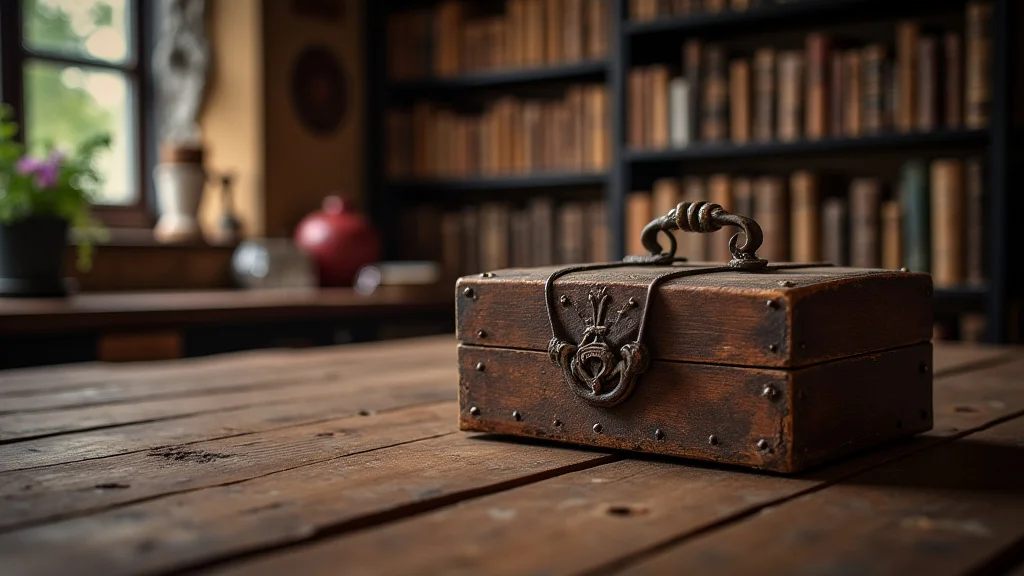

Picture this: you’re at a flea market, eyes wide with the thrill of discovery. You spot a beautiful, tarnished silver locket that whispers stories of the past. But is it an antique? The question of how old does something have to be to be antique often pops up for collectors, sellers, and history buffs. This post explores the ins and outs of antique classifications, ensuring you’ll gain a better grasp of what qualifies as an antique. You’ll learn to identify valuable objects and broaden your knowledge of historical periods, enhancing your appreciation for the past.
What Truly Makes an Object an Antique?
The term “antique” doesn’t have a rigid, universal definition. The most generally accepted guideline for establishing whether something is an antique concerns its age. In the United States, and in most parts of the world, an object usually needs to be at least a century old to be considered an antique. This age threshold is a common standard used by appraisers, auction houses, and collectors. It is essential to recognize that this standard is a general guideline rather than a definitive legal classification.
Because the definition is somewhat fluid, the specific requirements can vary depending on the context. Certain fields or jurisdictions might apply somewhat different rules. This also means that other elements, like an object’s rareness, condition, or artistic value, might increase its status and desirability. Many factors, in addition to age, contribute to an item’s worth and significance. Let’s delve into these aspects.
The Century Mark: A General Age Criterion
The primary factor used to determine if an object is an antique is its age. For an item to be generally acknowledged as an antique, it usually needs to be at least 100 years old. This century benchmark creates a clear point to classify items. It assists in separating older items with historical value from newer products.
- This threshold helps create a division between what’s considered contemporary and what represents the past.
- This guideline helps in differentiating items based on when they were made and also the techniques utilized during the creation of an item.
- The 100-year criterion ensures that an item has enough of a historical foundation.
For example, a piece of furniture made in the early 1900s meets this age threshold and can be considered an antique. The century mark has become a convention. Auction houses, dealers, and collectors all understand this general rule. Remember, it offers a baseline.
Variations and Considerations Beyond Age
While the age of an item is essential for defining it as an antique, many other factors contribute to its overall value and appeal. These factors can influence how items are categorized, valued, and appreciated by collectors and historians. Factors like the object’s origin, the materials used, and even its history play a role.
- Rarity: The rarity of an item significantly boosts its value. Items that were produced in small quantities, or that no longer exist, are often considered valuable antiques. A single-edition piece or a rare design will be more desirable.
- Condition: The state of preservation directly impacts the value. Objects in excellent or original condition are generally more desirable than damaged pieces. The degree of wear and restoration can influence pricing.
- Historical Significance: The historical context adds immense worth. An object tied to a famous person, event, or period is often very valuable. Knowing the item’s background helps collectors appreciate its historical roots.
These elements, combined with the age of an object, create a complex evaluation process, reflecting how the item is evaluated in the collectibles market.
Historical Periods and Their Relation to Antiques
The historical period from which an object originates greatly influences whether it’s classified as an antique. Various periods have their unique characteristics, styles, and craftsmanship techniques. Items are often categorized based on the period in which they were created. Different eras are often known for their distinct aesthetic characteristics, materials, and creation methods.
Understanding these historical periods is useful for collecting, identifying, and appreciating antiques. These periods can greatly impact how we see antiques.
Major Historical Periods and Styles
Identifying the age and origin of antiques requires knowledge of past historical eras. Each time period has its unique features that impact design, materials, and production. From the ornate styles of the Victorian era to the streamlined designs of the Art Deco period, understanding these eras is helpful for collectors. They can then identify, value, and admire antiques.
- Victorian Era (1837-1901): This era is recognized for its elaborate ornamentation, detailed carvings, and use of rich materials. Furniture, jewelry, and decorative arts from this time frequently demonstrate intricate craftsmanship and design.
- Art Nouveau (late 19th – early 20th century): Characterized by flowing lines, organic forms, and inspiration from nature, Art Nouveau items include glass, ceramics, and furniture. This era emphasizes artistic craftsmanship and distinctive aesthetics.
- Art Deco (1920s-1930s): This era reflects a shift toward geometric patterns, sleek designs, and luxurious materials. From jewelry to architecture, Art Deco combines luxury and modernity.
A good understanding of these periods enables you to distinguish the key traits of specific eras.
The Impact of Craftsmanship on Antique Value
The craftsmanship that went into producing an item strongly affects its worth as an antique. The level of skill, the methods used, and the materials all play roles in determining the value. High-quality craftsmanship often increases the item’s desirability and financial value.
- Materials: The quality and rarity of the materials used in an object are important. Expensive materials like mahogany, silver, or precious stones typically boost the value of an antique.
- Techniques: The methods used to create an item, such as hand-carving or detailed metalwork, have a significant impact. Complex techniques, like marquetry or engraving, show skill.
- Artistic Merit: The item’s artistic worth is evaluated, often based on its originality, artistic ability, and design. Pieces made by famous artists or designers frequently have higher value.
For example, a hand-carved piece of furniture made from rare wood would likely be considered more valuable than a mass-produced item made with common materials.
Legal and Regulatory Frameworks for Antiques
Legal and regulatory frameworks also impact the definition and protection of antiques. Laws regarding the import, export, and preservation of antiques vary considerably around the world. These guidelines have a direct impact on the antiques trade.
Understanding these legal requirements is essential for collectors, dealers, and anybody involved in the purchase or sale of antiques.
Legislation and Cultural Heritage
Legislation plays a crucial role in safeguarding antiques and cultural heritage. Several countries have laws that protect historical objects. These laws often limit the export of significant historical items. Many countries have laws protecting items, preventing their removal from the country to preserve their cultural and historical significance.
- Export Restrictions: Many countries have restrictions on exporting antiques. The goals of export regulations are the safeguarding of national heritage and keeping items of importance within their country of origin.
- Protection of Heritage Sites: Laws frequently protect archaeological sites. These sites contain valuable artifacts and information. These regulations try to protect them from harm.
- Preservation and Conservation: Several laws exist to help with the preservation and conservation of cultural objects. This can include supporting museums.
These legal frameworks assist in preserving valuable items.
The Role of Auction Houses and Appraisers
Auction houses and professional appraisers play a key role in the antique world. They help in determining the authenticity, age, and value of objects. They also help in the sale and purchase of antiques.
- Appraisal Services: Professional appraisers assess items for authenticity, condition, and market value. Their opinion is essential for determining the fair market price.
- Authentication: Many professionals authenticate antiques. They investigate their origin, history, and physical characteristics to ensure authenticity, reducing the risks for collectors and buyers.
- Auction Processes: Auction houses handle the sale of antiques. They provide a venue for people to buy and sell, providing market awareness and supporting transparency in the antiques market.
The professionalism of auction houses and appraisers safeguards the integrity of the antiques market.
Real-World Examples of Antique Classifications
Examining real-world examples helps in illustrating how the “how old does something have to be to be antique” criteria applies. Several examples help you better grasp how antique classifications work in practice.
These scenarios cover diverse categories of objects, from furniture to jewelry, emphasizing different aspects that influence classification.
Furniture: Applying the Age Rule
Furniture offers easy examples to show how age, style, and condition influence classification. Let’s look at a few examples of furniture pieces to illustrate this:
- Victorian-era Chest of Drawers: If the chest of drawers was manufactured in the late 1800s, it’s easily an antique due to being over a century old. Its style, materials, and workmanship play a role in its value.
- Mid-Century Modern Chair: A chair from the 1950s or 1960s is getting close to the hundred-year threshold. It may be regarded as vintage or a collectible, but may not have reached the antique status unless it is a very rare piece.
- Early 20th-Century Dining Table: A dining table made in the early 1900s meets the age criteria for being considered an antique. If well-preserved and with a recognizable style, the value increases.
These examples illustrate how the age and other characteristics contribute to determining whether a piece of furniture is an antique.
Jewelry: Evaluating Age and Craftsmanship
Jewelry is another category where age, craftsmanship, and condition strongly influence its classification as an antique. Different pieces require different evaluation techniques to appreciate their history and value.
- Victorian Brooch: If the brooch was manufactured in the Victorian period (1837-1901), it is undoubtedly an antique. Its value depends on materials, design, and condition.
- Art Deco Necklace: An Art Deco necklace from the 1920s is an antique because it is over a century old. Designs, such as geometric patterns and the use of materials like platinum and diamonds, increase its value.
- Early 20th-Century Watch: A watch made in the early 1900s also meets the age test. These watches are prized for their artistry and historical context, especially if they are well-maintained.
These examples show how age and the item’s historical period and condition come into play in determining its value.
How to Assess the Age of an Object
Identifying the age of an object is critical for defining it as an antique. A collection of methods can help assess an object’s age.
This information is useful for collectors, dealers, and anybody curious about the history of objects. Different assessment methods help collectors learn about what they have.
Research Methods and Documentation
Thorough research can greatly assist in assessing the age of an object. To determine its origin, style, and history, collectors often use research methods and document everything about the object.
- Using Historical Records: Researching manufacturing information, purchase documents, and other documentation from the period can help to identify an object’s age and place of origin.
- Consulting with Experts: Experts, such as appraisers, historians, and conservators, can provide useful opinions and assist in dating an item. Their insight is helpful in identifying antiques.
- Leveraging Online Resources: Online archives, museums, and antique dealers offer information, catalogs, and images that help in dating similar objects.
These resources can assist in gathering details that can help you understand more about the object’s history.
Physical Examination Techniques
Visual and physical inspections provide important clues about the object’s age. These techniques help in distinguishing between original items and newer reproductions.
- Examining Materials and Construction: Recognizing the materials and building methods used in the object gives insight into its age. Looking for evidence of handcrafting, early manufacturing techniques, or materials that were common during certain periods is helpful.
- Identifying Marks and Stamps: Several antiques have identifying marks or stamps, such as maker’s marks, hallmarks, or serial numbers. These marks help pinpoint the object’s maker, origin, and, at times, its date of manufacture.
- Checking for Signs of Wear and Aging: Looking at the wear, patina, and other indications of age is critical. This wear and tear, like tarnishing on metal or fading on fabrics, can confirm the item’s age and provide insights into its history.
Combining these methods helps in understanding the object’s potential age.
Frequently Asked Questions
Question: What is the main age requirement for an object to be an antique?
Answer: Generally, an item should be at least 100 years old to be considered an antique.
Question: Does an object’s origin matter when classifying it as an antique?
Answer: Yes, the object’s place of origin plays a significant role in determining its value and historical context.
Question: Who is in charge of authenticating antiques?
Answer: The authentication is handled by professional appraisers, historians, and experts in their field.
Question: Are there any exceptions to the 100-year rule for antiques?
Answer: Yes, some rare or historically significant items might be considered antiques even if they are slightly younger than 100 years old.
Question: What factors other than age help in determining an item’s worth?
Answer: Rarity, condition, origin, historical importance, materials used, and craftsmanship all play a role in assessing an item’s value.
Final Thoughts
The journey of classifying items as antiques involves a blend of historical research and practical evaluation. While the primary benchmark is age, often set at a century, the story doesn’t end there. Rarity, condition, historical significance, and the artistry of the piece add layers of interest to the picture. Recognizing how how old does something have to be to be antique is just the start. Learning about the period styles, craftsmanship, and the legal frameworks protecting these objects enriches your overall appreciation. This knowledge allows you to make informed decisions whether you are a buyer or collector.
So, the next time you hold an older object, remember the factors that turn it into something special. Keep learning, explore, and enjoy the adventure of discovering history, one antique at a time.