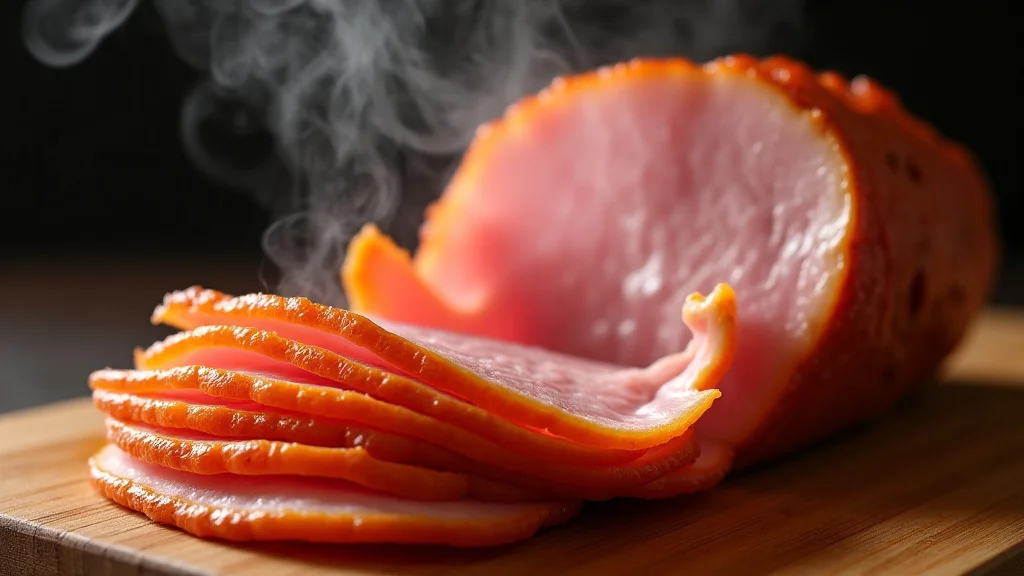

Picture this: It’s a sunny Saturday, the smell of barbecue fills the air, and you’re eagerly anticipating a perfectly smoked ham. But there’s a question lingering: how long to smoke ham to get that ideal tenderness and flavor? This guide answers that and more, helping you achieve barbecue mastery. We’ll explore the process step-by-step, ensuring your ham is the star of the show. You’ll learn the factors affecting smoking time, from ham size to smoker type. Gain expert tips and tricks, and wave goodbye to dry, disappointing ham. This will improve your Time on Page and reduce your Bounce Rate by providing an enjoyable, educational experience.
Choosing Your Ham and Preparing It for the Smoke
The journey to smoky perfection begins with the right ham. Selecting a high-quality ham and preparing it correctly sets the stage for success. Different types of ham, such as fresh, cured, or smoked, require different approaches. Knowing the key distinctions and how they impact your smoking process is vital. This section will guide you through the selection process, covering everything from ham cuts to brining or curing methods. We’ll explore the importance of preparation and how it influences the final result.
Selecting the Right Ham: Fresh, Cured, and Smoked
When you’re ready to smoke a ham, the first decision to make is what kind of ham you want. There are several categories, and each one offers a unique flavor and texture. Understanding these differences will impact how long you smoke ham, and the final results. Choosing the right cut of ham for your smoking session is very important for flavor and texture.
- Fresh Ham: This is an uncooked ham that has not been cured or smoked. Fresh ham requires curing before smoking, typically through brining (soaking in a saltwater solution) or dry-curing with salt and spices. Fresh hams need to be cooked to a safe internal temperature. The cooking process is more intensive, but the results are unique.
- Cured Ham: Cured hams have been treated with salt, nitrates or nitrites, and other ingredients to preserve them and give them their distinctive flavor. This process typically involves soaking the ham in a brine solution or using a dry rub, allowing the curing agents to penetrate the meat. This cures the meat. Curing not only preserves the ham but also imparts unique flavors.
- Smoked Ham: Smoked hams have already been smoked during the curing process. You may want to smoke it again to enhance the smoky flavor. This type of ham is a convenient option, as it is already partially cooked. You can enjoy the smoked flavor and tenderness in a shorter time.
Fresh hams will require a longer smoking duration than pre-cured hams, often needing to be smoked until the internal temperature reaches a safe level. This is often around 145°F (63°C), but it depends on the size of the ham and your personal preference for doneness. The length of time also depends on the type of smoker used and the temperature maintained. The advantage is that you completely control the flavors, but the process takes more time.
Cured hams are partially cooked and can be smoked until they reach a desired internal temperature for serving. The time will vary depending on the size of the ham, but it typically takes less time than smoking a fresh ham. With a cured ham, the key is to avoid overcooking it, so it remains juicy and tender. Cured hams are a good option because they cut down on smoking time.
When you’re working with a smoked ham, the goal is often to reheat it and add a bit more smoky flavor, rather than fully cooking it. The amount of time you smoke this type of ham will be considerably less. Pay attention to the internal temperature to ensure the ham is heated through. It’s important to monitor the internal temperature with a meat thermometer. This way you’ll get the best results.
Preparing Your Ham for Smoking: Brining, Rubs, and Scoring
Before you even think about putting your ham in the smoker, preparation is key. This stage can greatly influence the final taste and texture of your ham. Whether you choose to brine, apply a rub, or score the ham, each technique offers specific benefits. Proper preparation ensures that the ham absorbs smoke and flavors evenly, leading to a delicious result.
- Brining: Brining involves soaking the ham in a saltwater solution, often with added spices, before smoking. This process helps to season the ham from the inside out and enhances moisture retention. The salt in the brine denatures the proteins in the meat, leading to a more tender texture.
- Dry Rubs: A dry rub is a mixture of herbs, spices, and seasonings applied to the surface of the ham before smoking. Dry rubs add layers of flavor, create a flavorful crust, and help the smoke adhere to the meat. You can create your own custom rub or use a pre-made blend.
- Scoring: Scoring the ham involves making shallow cuts across the surface of the meat. Scoring improves the appearance and aids in heat distribution, contributing to a more even cooking process.
To brine a ham, create a brine solution using salt, water, and your preferred spices. The amount of salt needed will depend on the size of the ham. Submerge the ham in the brine, ensuring it’s fully covered, and refrigerate for several days. This allows the brine to penetrate the meat. The length of brining time depends on the size of the ham. Following brining, rinse the ham thoroughly and pat it dry before smoking.
To use a dry rub, pat the ham dry and apply a generous coating of the rub. You can use your hands to massage the rub into the surface of the ham. This will ensure that the flavors penetrate the meat. Allow the rubbed ham to sit at room temperature for about 30 minutes before smoking, or refrigerate it overnight to allow the flavors to meld. This step is a flavor powerhouse.
Scoring the ham also provides more surface area for the dry rub or glaze to adhere to, which enhances flavor and creates a visually appealing result. Using a sharp knife, make diagonal cuts across the ham, creating a diamond pattern. This is especially useful for hams with a thick layer of fat. The cuts should be deep enough to penetrate the fat, but not so deep that they cut into the meat. This will help you get the best results.
Smoking Techniques and Factors Affecting Cooking Time
Once you’ve prepped your ham, it’s time to fire up your smoker. The type of smoker you use, the temperature you maintain, and the wood you choose will impact the final taste. Understanding these factors will help you make adjustments during the smoking process to achieve the best results. This section explores different smoker types, how to control temperature, and the role of wood in imparting flavor.
Types of Smokers and Their Impact
The type of smoker you use has a significant influence on your smoking experience and, importantly, how long you smoke ham. Each type of smoker offers unique characteristics that affect temperature control, smoke flavor, and overall ease of use. This can impact the flavor profile of the ham.
- Offset Smokers: Offset smokers, also known as horizontal smokers, have a separate firebox where the wood burns, and the smoke travels into the cooking chamber. This design allows for indirect heat, which is ideal for low-and-slow cooking. Offset smokers provide a lot of control over the smoking process.
- Electric Smokers: Electric smokers are convenient and easy to use. They maintain a consistent temperature with the help of an electric heating element. Electric smokers provide a user-friendly experience for both beginners and experienced cooks.
- Charcoal Smokers: Charcoal smokers use charcoal briquettes or lump charcoal as their primary heat source. These smokers come in various designs, including kettle grills and bullet smokers. They offer a balance of flavor and ease of use.
- Gas Smokers: Gas smokers use propane or natural gas as their heat source, which allows for precise temperature control. You can use wood chips or chunks in a smoker box to produce smoke. These are a good middle-ground option.
These smokers usually have a larger cooking surface, which is good for smoking larger hams or multiple pieces of meat at once. Maintaining a consistent temperature in an offset smoker can require more effort and attention to the fire, but it allows for excellent smoky flavor. They offer a traditional smoking experience. Remember that the design can vary, so it is important to understand your equipment.
Electric smokers often have digital controls that help to set and maintain the desired temperature. They are good for low-and-slow cooking, but may not produce as intense a smoke flavor as wood or charcoal smokers. This can be improved by using a smoker tube or box for wood chips. Electric smokers often have a smaller capacity than other types of smokers, which can limit the size of the ham you can smoke. Consider that factor.
Charcoal smokers give you more control over the smoking process. The flavor from charcoal can be enhanced by adding wood chunks or chips to the coals. Charcoal smokers may require more monitoring than electric smokers to maintain a consistent temperature. The learning curve is moderate, but many cooks prefer this type of smoker for its versatility and flavor. The flavor profile will impact how long you smoke ham.
Gas smokers provide a convenient way to smoke food with consistent results. They typically have a built-in thermometer and adjustable vents for temperature control. This design makes it easy to set and maintain the desired cooking temperature. These smokers can produce a good smoky flavor with proper use of wood. They are a convenient option. They’re a good choice for people who are new to smoking.
Temperature Control and Monitoring
Temperature control is essential for achieving the perfect smoked ham. Maintaining a consistent temperature within your smoker ensures even cooking and helps you determine how long to smoke ham. Monitoring the temperature accurately ensures that you cook the ham to the desired internal temperature and avoid both undercooking and overcooking.
- Optimal Smoking Temperature: Aim for a temperature range between 225°F (107°C) and 275°F (135°C). This allows the ham to cook slowly and evenly, creating a tender and flavorful result.
- Using a Thermometer: Accurate temperature monitoring is essential. Use a reliable meat thermometer to track the internal temperature of the ham. Digital thermometers and remote thermometers are convenient for monitoring the temperature without opening the smoker.
- Adjusting the Temperature: Adjusting the smoker’s temperature is often necessary to maintain the desired range. This can be done by adjusting vents (on charcoal and offset smokers) or by adjusting the heat setting (on electric and gas smokers).
A lower temperature will result in a longer smoking time, which can enhance the smoky flavor, while a slightly higher temperature will speed up the cooking process. The best temperature depends on factors like the type of smoker, the size of the ham, and your personal preference. Maintaining a consistent temperature is critical for ensuring a successful smoking session. Choose a temperature that suits your needs.
Insert the thermometer probe into the thickest part of the ham, away from any bones. You can use multiple probes if cooking a large ham. Monitor the internal temperature throughout the smoking process to ensure the ham reaches the correct doneness. Using a thermometer eliminates guesswork and helps you avoid overcooking or undercooking your ham. The right temperature is key to good results.
If the temperature is too low, open the vents slightly or increase the heat setting. If it’s too high, close the vents partially or reduce the heat. Make adjustments gradually to avoid large temperature fluctuations. Regularly check and adjust the temperature to keep it within the desired range. Consistent temperature control helps you get the best results. It impacts how long you smoke ham.
Wood Choices and Flavor Profiles
The type of wood you choose greatly influences the flavor of your smoked ham. Different woods offer distinct flavor profiles, and experimenting with them allows you to create customized flavor combinations. From the subtle sweetness of fruitwoods to the boldness of hardwoods, each choice adds a unique character to your smoked ham. This can significantly influence your overall cooking time.
- Hardwoods: Hardwoods, such as oak, hickory, and mesquite, provide a strong smoky flavor. Oak is a versatile choice, hickory offers a bold flavor, and mesquite is known for its intense smoky taste.
- Fruitwoods: Fruitwoods, like apple, cherry, and peach, offer a lighter, sweeter flavor. Apple provides a mild, slightly fruity flavor, while cherry imparts a subtle sweetness. Peach is delicate, adding a touch of sweetness.
- Wood Chips, Chunks, and Pellets: The form of wood you choose will also impact the smoking process. Wood chips burn quickly and are ideal for shorter smoking times or for adding a quick burst of smoke. Wood chunks burn longer, providing a consistent smoke. Wood pellets are compressed sawdust, which provides consistent smoke and burn efficiently.
These woods are excellent choices for smoking hams, particularly those with a lot of fat, as the strong flavor can cut through the richness. Remember that these woods have a strong flavor, so use them in moderation to avoid overpowering the ham. Hardwoods burn for a long time. You can experiment with different combinations to find your favorite flavor profile. The flavor profile impacts how long you smoke ham.
Fruitwoods are great choices for adding a hint of sweetness and are perfect for a ham. They pair well with the natural flavor of the ham. Fruitwoods tend to burn cooler than hardwoods, so they may require more frequent replenishment. They are a good choice if you prefer a less intense smoky flavor. The flavor profile will impact how long you smoke ham.
Using wood chips in a smoker requires replenishing them frequently, while wood chunks and pellets can last longer. The choice of which form of wood to use depends on the smoker type and the length of the smoking session. All these forms are designed to produce smoke. Consider which form works best with your smoker. Each form adds a unique character to your smoked ham.
Determining How Long to Smoke Ham
Knowing how long to smoke ham depends on several factors, including the size and type of ham. Estimating the smoking time requires considering internal temperature, and other variables. The best way to achieve the perfect result is to plan for the smoking process. This section breaks down everything you need to know to estimate smoking time accurately.
Estimating Smoking Time Based on Ham Size and Type
The size and type of ham are the primary factors in determining how long you need to smoke it. Larger hams will take longer to cook than smaller ones, and different types of ham (fresh, cured, smoked) will have different cooking times. Estimating cooking time accurately is crucial for avoiding both undercooked and overcooked ham.
- Fresh Ham (Uncured): Fresh hams require the longest smoking time, as they must be cooked to a safe internal temperature. The cooking time will depend on the size of the ham. A general estimate is around 20-30 minutes per pound at 225°F to 275°F (107°C to 135°C), or until the internal temperature reaches 145°F (63°C).
- Cured Ham: Cured hams are partially cooked and require less smoking time than fresh hams. The smoking time will depend on the size and whether you want to heat the ham through or simply add a smoky flavor. Expect around 15-20 minutes per pound at 225°F to 275°F (107°C to 135°C), or until the internal temperature reaches 140°F (60°C).
- Pre-Smoked Ham: Pre-smoked hams require the least amount of time in the smoker. The goal is primarily to reheat the ham and enhance the smoky flavor. Generally, plan for about 10-15 minutes per pound at 225°F to 275°F (107°C to 135°C), or until the internal temperature reaches 130°F to 140°F (54°C to 60°C).
The exact time will vary based on the specific cut and your smoker’s efficiency. Consider the dimensions of your ham and adjust your cooking time accordingly. Remember, it’s always better to err on the side of caution. Using a meat thermometer is critical for checking the internal temperature.
Cured hams are already safe to eat, so the goal is to heat them through and infuse them with smoke. The time will vary depending on your smoker and the desired level of smoke flavor. Avoid overcooking cured ham, as it can dry out. Using a meat thermometer is important for monitoring the internal temperature.
These hams already have a smoky flavor, so the focus is on reheating them properly. Overheating pre-smoked ham can dry it out. Using a meat thermometer is essential for tracking the internal temperature. Watch the ham carefully to avoid overcooking. Reaching the right temperature ensures the ham is warm and infused with smoky flavor.
Internal Temperature and Doneness
The internal temperature of your ham is the most accurate way to determine when it’s done. Using a meat thermometer is crucial. Knowing the target temperatures for different types of ham is very important to avoid overcooking. Here are the internal temperatures you should aim for, to ensure the ham is cooked to perfection.
- Fresh Ham (Uncured): Cook fresh ham until the internal temperature reaches 145°F (63°C). At this temperature, the ham is safe to eat and should be tender. If you prefer, cook it to a slightly higher temperature, but avoid exceeding 150°F (66°C) to prevent it from drying out.
- Cured Ham: The safe minimum internal temperature for cured ham is 140°F (60°C). However, the ham is already safe to eat because it is cured. To achieve the best flavor and texture, it’s best to cook the ham to about 140°F (60°C) to 150°F (66°C).
- Pre-Smoked Ham: With pre-smoked hams, the goal is to heat the ham through. A good temperature range is around 130°F to 140°F (54°C to 60°C). This ensures that the ham is warm and infused with a smoky flavor without overcooking it.
Ensure that the thermometer is inserted into the thickest part of the ham, away from any bones. This will provide the most accurate reading. If the ham is still under 145°F (63°C), continue smoking it. The cooking process can take a long time, but the wait is worth it for a fresh ham.
Monitor the ham’s internal temperature closely. Cured ham is very sensitive to overcooking. Remove it from the smoker when it reaches the desired doneness. The final temperature will depend on your personal preference. The goal is to heat the ham through and add more smoke flavor.
Pre-smoked hams are already safe to eat. To avoid drying it out, monitor the internal temperature. This temperature is for reheating and enhancing the smoky flavor, rather than for cooking. Always use a reliable meat thermometer for accurate results.
Using a Meat Thermometer: Tips and Tricks
Using a meat thermometer properly is important for consistent and accurate results. Knowing how to insert the thermometer correctly, understanding how to read it, and knowing when to check the temperature are all essential for ensuring the ham is cooked perfectly. This process removes the guesswork from cooking and helps to ensure the ham is safe to eat.
- Proper Insertion: Insert the thermometer probe into the thickest part of the ham, avoiding any bones or fat pockets. This will give you the most accurate temperature reading. Insert the probe horizontally and away from the bone.
- Reading the Thermometer: Read the thermometer carefully. The internal temperature will rise gradually as the ham cooks. Watch the temperature closely and compare it to the recommended temperatures for the type of ham you’re smoking.
- Checking the Temperature: Begin checking the internal temperature of the ham about an hour before the estimated finishing time. Check the temperature several times during the last hour of smoking to ensure you catch the desired doneness.
If you’re using an instant-read thermometer, insert it for a few seconds until the temperature stabilizes. The key is to ensure the probe is in the center. Avoid touching the bone, as the bone conducts heat differently. The proper placement is crucial for accurate results.
For digital thermometers, the temperature reading will be displayed clearly. For analog thermometers, make sure you can read the scale. Use both types of thermometers to get the most accurate results. This way, you won’t ruin your ham. Be patient as the ham cooks.
If using an instant-read thermometer, insert it quickly and read the temperature. If using a remote thermometer, monitor the temperature on the display. Don’t open the smoker too often. Opening the smoker releases heat. This can affect the cooking time. The goal is to get the best results. The right internal temperature indicates the ham is ready.
Troubleshooting and Achieving the Perfect Ham
Even with careful planning, things can sometimes go wrong. This section covers common problems encountered during the smoking process and explains how to solve them. You will also learn how to glaze the ham for added flavor and visual appeal, and tips for resting and carving your smoked masterpiece.
Common Problems and Solutions
Even experienced cooks can encounter issues while smoking a ham. However, understanding these common problems and how to resolve them can help you get the best results. This section will cover the most typical problems and provide simple solutions. It will give you the knowledge to handle any challenges that may arise during your smoking session.
- Ham is Drying Out: This often results from overcooking or excessive heat. You can prevent this by monitoring the internal temperature closely and removing the ham from the smoker when it reaches the desired doneness.
- Ham Isn’t Smoking Properly: If your ham isn’t getting enough smoke flavor, you can add more wood to the smoker or use a smoker tube filled with wood chips to enhance the smoke. Ensure that your wood is burning properly.
- Temperature Fluctuations: Temperature fluctuations can affect cooking time and the final texture of the ham. Maintain a steady temperature range between 225°F and 275°F. Adjust the smoker’s vents or heat settings to keep the temperature consistent.
To fix a dry ham, you can try adding a glaze or basting the ham with juices during the smoking process. This will add moisture and flavor. Also, ensure you’re using a meat thermometer. Proper temperature control is very important. Watch for warning signs.
Adjust the amount of wood you’re using. If you are using wood chips, try soaking them in water for 30 minutes before using them. That helps them smolder, producing more smoke. Using a good-quality wood will make a difference. The right wood selection and usage are critical.
Using a smoker with good insulation helps maintain a steady temperature. Monitor the smoker regularly and make adjustments as needed. If you are using a charcoal smoker, be careful to keep adding charcoal to the smoker. A stable temperature is key to good results. This will ensure your ham is cooked evenly.
Glazing Your Ham: Enhancing Flavor and Appearance
Glazing your ham is a great way to add flavor, moisture, and visual appeal. Glazes add a touch of sweetness and depth of flavor. There are many glaze recipes to choose from, ranging from simple mixtures to complex combinations of ingredients. The glazing process takes your smoked ham to the next level.
- Glaze Options: Popular glazes include brown sugar, honey, maple syrup, and fruit preserves. You can customize the glaze with spices like cloves, cinnamon, and mustard.
- Applying the Glaze: Apply the glaze during the final hour of smoking. This allows the glaze to caramelize on the ham. Brushing the glaze every 15-20 minutes, will create a beautiful, glossy finish.
- Caramelization and Finish: Caramelization happens when the sugars in the glaze heat. This creates a glossy finish and intensifies the flavor. Allow the glaze to caramelize during the last 15-30 minutes of smoking.
Experiment with different flavor combinations to find your favorite. For a classic glaze, combine brown sugar, honey, and a touch of mustard. If you want a fruity flavor, try adding fruit preserves. The glaze is customizable, so you can tailor it to your preferences. The possibilities are endless.
Use a heat-safe brush to apply the glaze. Avoid applying it too early, as it might burn. This will also give it a perfect texture. Apply multiple thin coats for the best results. Glazing helps create a balance of sweet and savory flavors.
Keep a close eye on the ham. This is because glazes can burn easily. Once the glaze is caramelized, remove the ham from the smoker. Your ham will have a beautiful shine and enhanced flavor. The caramelization process creates a beautiful ham.
Resting and Carving Your Smoked Ham
After smoking the ham, it’s very important to let it rest. This allows the internal juices to redistribute. It ensures that your ham is tender and moist. Proper carving techniques are essential for serving your ham perfectly. Following these steps will help you enjoy the results of your hard work. This will ensure every slice is a culinary delight.
- Resting Time: After removing the ham from the smoker, let it rest for at least 15-20 minutes. This allows the internal temperature to equalize and the juices to redistribute. Resting is very important for a juicy ham.
- Carving Techniques: Use a sharp carving knife to carve the ham. Place the ham on a stable cutting board. This will make it easier to carve. Cut against the grain to ensure tender slices.
- Serving Suggestions: Serve your smoked ham warm, with your favorite side dishes. You can serve it with mashed potatoes, vegetables, or even on sandwiches. The possibilities are endless.
Place the ham on a cutting board, and tent it loosely with foil to keep it warm. Don’t skip the resting step. The results will be worth the wait. It helps to keep the ham moist. The result will be a tender, flavorful ham.
For a bone-in ham, carve around the bone. This will make it easier to remove the meat. Slice the ham thinly. Use a sharp knife for the best results. Carving allows you to serve the ham perfectly. You’ll get the most enjoyment from every bite.
Garnish the ham with fresh herbs or a sprinkle of paprika for added visual appeal. Leftover ham can be used in various dishes, such as soups, salads, and casseroles. Be creative, and enjoy the fruits of your labor. Your delicious smoked ham will be a hit.
Frequently Asked Questions
Question: Can I smoke a ham without a smoker?
Answer: Yes, while a smoker provides the best results, you can use a grill by setting up a two-zone cooking system: indirect heat with a pan of water for moisture and wood chips for smoke.
Question: What’s the difference between a whole ham and a ham shank?
Answer: A whole ham includes the butt and shank portions, while a ham shank is just the lower part of the leg; the shank is often more economical and cooks faster.
Question: How can I prevent my ham from drying out during smoking?
Answer: Use a water pan in your smoker to add moisture, baste the ham with its juices or a glaze, and avoid overcooking it by monitoring the internal temperature.
Question: What if my ham is getting too dark while smoking?
Answer: Reduce the temperature of your smoker, use indirect heat, or loosely tent the ham with foil during the last part of the cooking process to prevent it from burning.
Question: What is the best wood for smoking ham?
Answer: Hardwoods like oak and hickory are popular for their strong smoky flavors, while fruitwoods such as apple and cherry offer a milder, sweeter smoke.
Final Thoughts
Smoking a ham is a rewarding culinary experience, resulting in a delicious centerpiece for any meal. The key to success is understanding how long to smoke ham, based on its type and size. Proper preparation, including brining or using a rub, sets the stage for optimal flavor. Choosing the right smoker, controlling the temperature, and selecting the appropriate wood are essential steps. Remember to use a meat thermometer and aim for the correct internal temperature for your specific type of ham. Don’t forget the importance of resting the ham after smoking. Take the time to apply a glaze for added flavor. These elements combine to create a delicious, tender, and memorable meal. Armed with these insights, you’re ready to create a smoked ham that will impress everyone. So, gather your ingredients, fire up your smoker, and prepare to enjoy the process of creating a delicious smoked ham. Get ready to enjoy the rich, smoky flavor!