
Ever started a painting project with excitement, only to find yourself staring at a sticky, smeared mess? We’ve all been there! Maybe you rushed ahead, hoping to finish quickly, or perhaps you weren’t sure about the correct how long to wait between paint coats. This guide will walk you through the essential steps to ensure a flawless paint job every time, eliminating common mistakes and frustration. We’ll explore everything you need to know to get professional-looking results. By the end, you’ll feel confident in your painting skills, ready to transform any space. You’ll gain valuable knowledge that will lead to amazing results, improving your Time on Page and reducing Bounce Rate by providing you with the correct information to accomplish the job the right way.
Understanding Paint Drying Times
The time you wait between paint coats is crucial. Rushing this step can lead to a variety of problems, including cracking, peeling, and a generally uneven finish. Conversely, waiting too long can also be problematic, potentially reducing the adhesion between layers. Several factors influence how long paint takes to dry, including the type of paint, the environmental conditions, and the surface you’re painting. Getting familiar with these aspects will help ensure you get the best outcomes.
Paint Type Matters
Different paints have varying drying times due to their chemical compositions. Knowing the type of paint you’re using is the first step toward a successful paint job. For example, latex-based paints, which are water-based, generally dry faster than oil-based paints. The solvents in oil-based paints take longer to evaporate, resulting in a longer drying time. Understanding these distinctions is critical for planning your project.
- Latex Paint: Latex paints, or acrylic latex paints, are popular for their fast drying times and ease of cleaning with water. A typical latex paint might dry to the touch in about an hour, but it could take 2-4 hours before you can safely apply a second coat. Full cure time often reaches a few days.
- Oil-Based Paint: Oil-based paints, also known as alkyd paints, usually require longer to dry. They offer a durable, hard finish and are often used for trim, doors, and areas that experience high wear. You might need to wait 8-24 hours or longer between coats. Full cure often extends to a week.
- Primer: Primers are specially formulated to prepare a surface for paint and improve adhesion. Primers also vary in dry time based on their formulation. As a general rule, follow the manufacturer’s directions, usually a few hours before applying a top coat.
- Specialty Paints: Epoxy paints, enamel paints, and other specialty products have unique drying times. Always check the product label for specific instructions.
Drying time is frequently misunderstood; it’s more than just when the surface feels dry to the touch. It’s about how long the paint needs to fully cure or harden. Curing is the final stage where the paint forms its complete structure, a process that ensures durability and a strong bond with the surface. Ignoring the full curing time can jeopardize your paint’s performance.
Environmental Conditions
The environment surrounding your painting project has a significant impact on drying times. Temperature, humidity, and ventilation all play a role. Painting on a hot, dry day will speed up the drying process, whereas painting in a cold, humid environment will slow it down. It’s all about how these conditions affect the evaporation of solvents and the paint’s ability to cure properly.
- Temperature: Warmer temperatures generally speed up drying. However, extreme heat can cause the paint to dry too quickly, leading to an uneven finish. The ideal temperature range for painting is usually between 60-80°F (15-27°C).
- Humidity: High humidity slows down drying. The moisture in the air prevents the solvents in the paint from evaporating, which can extend drying times.
- Ventilation: Good ventilation is critical. Proper airflow helps the solvents evaporate, accelerating the drying process. Open windows and use fans to circulate the air when possible.
- Air Circulation: Air circulation is a key factor because it helps eliminate moisture and encourages solvent evaporation, which are essential for paint to dry correctly. If you’re painting indoors, consider using fans to move air around the room. In well-ventilated conditions, the paint’s drying process will accelerate, ensuring a more durable finish.
Adjusting your painting schedule based on the weather conditions is an important step. Avoid painting on excessively humid or cold days. If you must paint in less-than-ideal conditions, make sure you take extra time between coats. By adapting to the surroundings, you are setting yourself up for success.
Surface Preparation
The surface you’re painting affects how the paint dries. A smooth, clean surface will allow the paint to adhere properly and dry evenly. Porous surfaces may absorb more paint, leading to faster drying times, while non-porous surfaces may require more time. Preparing the surface properly is an essential step towards getting the outcome you want.
- Cleanliness: Make sure the surface is free of dirt, dust, grease, and any other contaminants. Clean surfaces provide a better adhesion for the paint, leading to a more durable finish.
- Surface Type: Different surfaces, like wood, drywall, or metal, will react differently to the paint. Porous surfaces, such as drywall, tend to absorb the paint quicker than non-porous surfaces.
- Primer: Using a primer can help seal the surface, creating a more even base. Primers promote adhesion, which can lead to better outcomes.
- Patching and Repair: Fill any holes or cracks, and allow the filler to dry completely before painting.
Careful surface preparation is like the foundation of a house; the quality of your paint job rests on it. If your surface is not prepared correctly, the paint might not adhere properly, leading to cracking, peeling, or other issues. Don’t skip these crucial steps before you begin painting!
Applying Paint Correctly
Knowing how to apply paint correctly is as important as understanding how long to wait between paint coats. Improper application can lead to an uneven finish, drips, and other imperfections. Following the right techniques will lead to a more professional-looking result. Whether you’re a beginner or an experienced painter, here are the core principles.
Techniques for the Perfect Finish
There are several methods for applying paint, each with its advantages. Brushing, rolling, and spraying all have their nuances. Knowing how to use these techniques effectively can significantly impact the final look of your project.
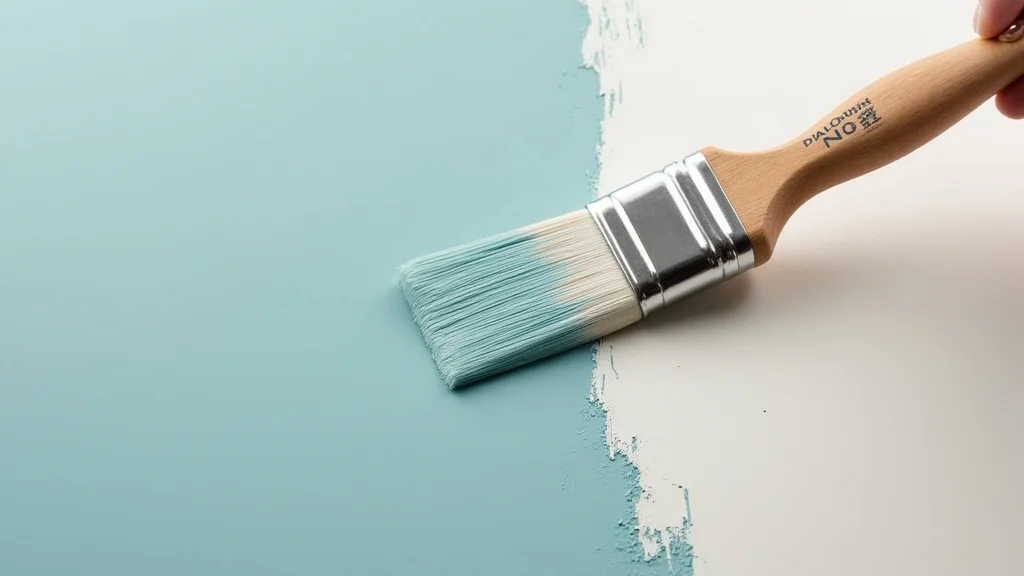
- Brushing: Brushing is suitable for smaller areas, trim, and detail work. Always use a high-quality brush and apply the paint in smooth, even strokes. Overlapping your brush strokes a bit is an excellent technique for a consistent finish.
- Rolling: Rolling is efficient for large surfaces, such as walls and ceilings. Use a roller with the correct nap length for the surface you’re painting. Dip the roller into the paint and spread it evenly across the surface.
- Spraying: Spraying gives the smoothest finish, but it requires a sprayer and some practice. Make sure to mask off any areas you don’t want to paint. Hold the sprayer at the correct distance and move it in a steady, even motion.
- Coverage: Ensuring you have the right paint coverage is a must. If the paint is applied too thinly, it may not create a durable coating. If applied too thickly, it can cause runs and uneven drying.
Achieving a smooth finish involves more than just applying paint. It is about control and technique. Practice and attention to detail will ensure the best possible results. Whether you are using a brush, roller, or sprayer, mastering these methods will set you up for success!
The Number of Coats
The number of coats you’ll need depends on the surface, the color, and the type of paint. Generally, two coats of paint are recommended for a good finish, especially when going from a darker color to a lighter one. For many projects, two coats will provide complete coverage and durability. Sometimes, on difficult surfaces or when changing colors dramatically, a third coat may be necessary.
- Coverage: The first coat often serves as a base, covering the existing color and any imperfections. The second coat builds on that base, providing a consistent color and a more durable finish.
- Color Changes: When changing colors significantly, the first coat may not completely cover the existing color. A second coat is often required to achieve a uniform appearance.
- Surface Condition: Porous surfaces, such as bare wood or drywall, may absorb more paint, potentially requiring additional coats for complete coverage.
- Paint Quality: High-quality paints often have better coverage and may require fewer coats. Cheaper paints may necessitate more coats to achieve the desired result.
Plan on two coats for the best results, but be prepared for a third coat if necessary. Assess your surface as the first coat dries, and decide if another coat is needed. Your patience and attention to detail will ensure your painting project has a long-lasting, quality finish.
Avoiding Common Painting Problems
Even with the best preparation and application, mistakes can happen. Recognizing and avoiding the most common issues will greatly help your painting projects. By being aware of these problems, you can take measures to prevent them, saving time and frustration.
- Runs and Drips: Runs and drips are the result of applying too much paint. Prevent this by using the correct amount of paint on your brush or roller. Work with even strokes and don’t overload your tools.
- Uneven Finish: An uneven finish can be caused by inconsistent application or applying the paint too thinly. Make sure your application technique is consistent and apply enough paint to achieve a uniform appearance.
- Cracking: Cracking is frequently caused by applying paint too thickly or applying a second coat before the first has dried completely. Ensure you wait the correct amount of time between coats and apply paint in thin, even layers.
- Peeling: Peeling paint often indicates poor surface preparation or applying paint to a dirty surface. Always prep your surface, cleaning away dirt and loose debris before painting.
Being aware of these problems will help you prevent them. If any issues do come up, don’t panic. Many painting errors can be rectified. The sooner you see the problem, the easier it will be to correct it. Keep learning and improving your skills.
Determining the Ideal Waiting Time
Finding the right time to wait between paint coats is about balancing the paint’s drying needs with your project’s timeline. This means understanding the cues that the paint gives you, as well as the manufacturer’s directions. This way, you can achieve that perfect finish. Let’s explore the key factors.
Reading Paint Labels
The product label is your best friend when it comes to paint. All paints come with detailed instructions, including the recommended drying times. These instructions can vary depending on the paint, so always follow them. It’s the most reliable source of information for your painting project.
- Drying Time: The label will give you a range of drying times. For example, it might say “dry to touch in 1 hour; recoat in 4 hours.” These times are under ideal conditions, such as 70°F and 50% humidity.
- Recoat Time: Recoat time tells you when you can apply the second coat. This is critical to the success of your project. Applying the second coat too early can lead to problems.
- Coverage: The label will also provide you with details on how much area one can cover, helping you calculate how much paint you need.
- Surface Preparation: Most labels will have suggestions about how to prep the surface before applying the paint.
Reading and understanding the paint label is your first step. Manufacturers know their products best. Their advice is based on years of testing and experience. Following the directions will help you avoid issues and get the best results. Always keep your paint’s product label at hand.
Touch Test vs. Recoat Time
Drying to the touch doesn’t always mean the paint is ready for a second coat. The “touch test” simply means the surface is dry enough that it won’t be ruined by light contact. Recoat time is when you can safely apply another coat without issues. The difference can mean a lot when it comes to the quality of your paint job.
- Touch Test: The touch test is straightforward. Gently touch the painted surface. If no paint comes off on your finger and the paint doesn’t feel tacky, it has passed the touch test.
- Recoat Time: Recoat time is the recommended time you should wait before applying the second coat. This allows the paint to cure properly.
- Differences: Touch dry may be accomplished in a matter of minutes or hours, depending on the paint, but recoat time is usually longer. Waiting for the recommended recoat time is vital to the durability of your project.
- Paint Type: Oil-based paints may be touch dry in a couple of hours. But the recoat time could be up to 24 hours. Always check the paint label for details.
Many people fail to understand the difference. Touch dry is only a small part of the process. For optimal results, adhere to the manufacturer’s recommended recoat time. This will ensure your paint has dried completely and create a strong, durable finish.
Adapting to Conditions
As we discussed earlier, environmental conditions will change how long the paint takes to dry. Always adjust your timing based on what’s going on around you. Your flexibility will make a big difference, especially if you’re dealing with extreme temperatures or humidity.
- Humidity: High humidity slows down drying. Add extra time.
- Temperature: Extremely high or low temperatures can change drying times. Check the paint label.
- Ventilation: Excellent ventilation is key for accelerating drying times.
- Surface: Porous surfaces, such as bare wood, might require more time than non-porous surfaces, like previously painted walls.
Consider the environment you are painting in. If it’s warm and dry, your paint might dry sooner. However, if it’s humid or cold, you’ll need to wait longer. Always err on the side of caution. Give the paint extra time to dry when in doubt. Adjusting your timeline will ensure a perfect result.
Real-Life Examples
Let’s look at a few examples to illustrate the impact of these variables and how they can affect your painting project. These scenarios represent common challenges and how to solve them. By reviewing these situations, you will enhance your skills and gain additional experience.
- Scenario 1: Painting a Bedroom on a Humid Day
Sarah was excited to paint her bedroom. She followed all the steps for preparation. She read the label, which suggested a recoat time of 4 hours for the latex paint. However, the weather was humid, with the humidity level around 80%. After the first coat, Sarah waited 4 hours. When she went to apply the second coat, she found the first one was still slightly tacky, which created drag when she rolled the second coat. She let it sit and came back in a few hours. The paint was now tacky, but the second coat went on flawlessly. By giving the paint extra time to dry, she avoided potential issues like cracking or an uneven finish.
- Scenario 2: Painting Trim with Oil-Based Paint
John was painting the trim in his living room with oil-based paint. The paint label said to wait at least 16 hours between coats. John was eager to finish the job. He went back to the project in about 12 hours. The paint seemed dry to the touch, so he applied the second coat. Over the next few days, John saw some cracking, because the first coat had not completely dried. He should have waited longer before applying the second coat. By waiting the full 16 hours, he would have achieved the flawless finish he was looking for.
These examples illustrate how vital it is to factor in drying times and environmental conditions. Adjusting your schedule based on the needs of the paint and the conditions of the painting environment is the key to a job well done. These real-life stories provide helpful insights and highlight the value of following the guidelines for how long to wait between paint coats.
Frequently Asked Questions
Question: Can I speed up the drying time of my paint?
Answer: Yes, you can. Ensure the room has good ventilation, possibly by opening windows or using fans. Also, painting in warmer, drier conditions will speed things up, as long as the temperature is within the paint’s recommended range.
Question: What happens if I apply a second coat too soon?
Answer: Applying a second coat of paint too soon can result in various issues. This can lead to the paint cracking, peeling, or a generally uneven finish. It can also reduce the paint’s durability and bond strength.
Question: How do I know if my paint is fully dry?
Answer: You can gently touch the painted surface. If the paint feels dry, isn’t tacky, and doesn’t come off on your finger, it’s generally safe to apply another coat. Make sure you check the paint label for additional guidance on the exact recoat time.
Question: Is there a difference between interior and exterior paint drying times?
Answer: Yes, generally. Exterior paints are often formulated to withstand the elements, so they might take longer to dry than interior paints. Always read the paint label for specific drying times.
Question: Can I paint in cold weather?
Answer: You can paint in cold weather, but you will need to take extra precautions. Cold temperatures can slow down the drying and curing process. Ensure you read the paint label for temperature guidelines and allow extra time between coats.
Final Thoughts
Getting the right how long to wait between paint coats is more than just about waiting; it’s about setting the stage for a job that looks and lasts. The type of paint, the environment you’re working in, and how well you prepared the surface all come into play. Take time to read the paint’s instructions. Keep an eye on the weather and adjust your schedule when needed. By knowing the factors that affect drying times, you’ll be on your way to a professional finish that will make a difference in your home or project. Remember, patience is a virtue when it comes to painting. A little extra time waiting between coats ensures that your efforts pay off with amazing results. Now, go ahead and get painting with confidence!