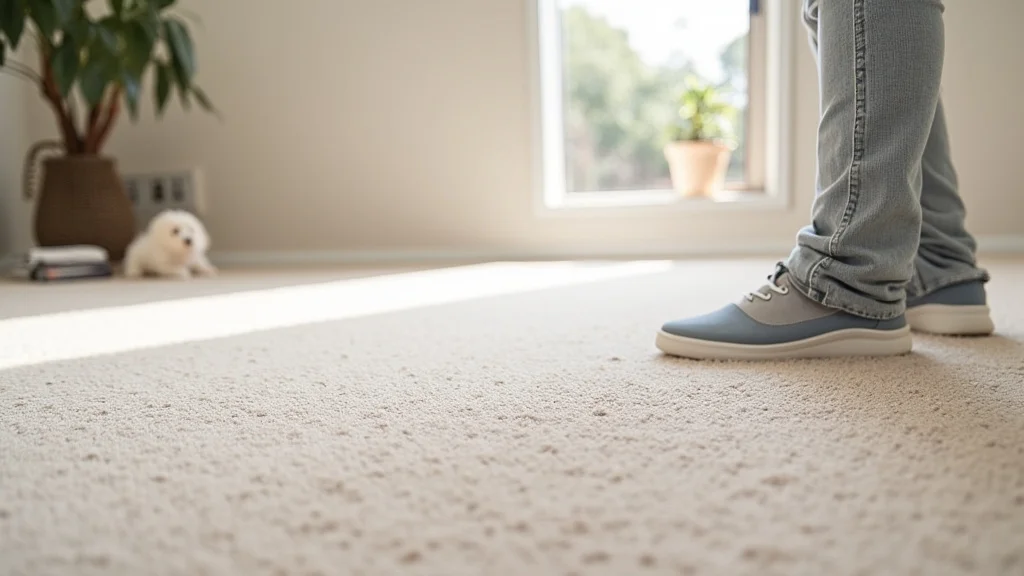

Picture this: you’re dreaming of a cozy living room, envisioning soft, new flooring under your feet. But then, the thought of the cost to install carpet pops into your head, and suddenly, that dream feels a bit further away. Don’t worry! This post will break down everything you need to know about the expenses involved in carpet installation, from the type of carpet you choose to the labor costs. You’ll gain a clear picture of what to expect, helping you plan your budget and make informed decisions, which will improve your Time on Page and reduce your Bounce Rate. Let’s explore!
Factors Influencing Carpet Installation Expenses
The total cost to install carpet isn’t a fixed price; it fluctuates based on several factors. These variables impact the final price, which can range from budget-friendly to a significant investment. Recognizing these elements early on can help you set realistic expectations and plan effectively. Think of it like this: just like choosing ingredients for a recipe, each component influences the final dish – in this case, the final price.
Carpet Type and Material
The type of carpet you select is one of the biggest determinants of cost. Different materials offer varying levels of durability, comfort, and, consequently, price points. From synthetic fibers to natural wool, each option brings its own set of advantages and disadvantages. This choice impacts not only the initial purchase price but also the long-term maintenance and lifespan of your flooring.
- Nylon: This synthetic fiber is a popular choice due to its durability and resistance to wear and tear. It’s often a good choice for high-traffic areas and tends to be moderately priced. Nylon resists stains and is often treated for added protection.
- Polyester: Known for its softness and resistance to fading, polyester is often more affordable than nylon. It’s an excellent choice for bedrooms and areas where comfort is a priority. However, it may not be as durable as nylon in high-traffic settings.
- Olefin (Polypropylene): Primarily used for loop pile carpets, olefin is a budget-friendly option often found in basements. It’s resistant to moisture and stains, making it practical for areas prone to spills. Olefin isn’t as resilient as nylon.
- Wool: A natural fiber, wool is prized for its luxurious feel, durability, and natural stain resistance. Wool carpet is often more expensive than synthetic options, reflecting its high quality and longevity. It is also an excellent insulator.
Consider a family with children and pets. They might choose nylon for its stain resistance and durability in high-traffic areas like the living room. Conversely, a homeowner focusing on comfort for a master bedroom might opt for softer, more luxurious polyester. The material choice directly influences the initial carpet cost and the long-term maintenance needs.
Padding Considerations
Padding, often called underlayment, is a critical, often-overlooked component of carpet installation. It sits between the carpet and the subfloor, enhancing comfort, extending the carpet’s life, and providing insulation. The type and thickness of padding significantly affect both the initial cost and the overall performance of your carpet. Selecting the correct padding is just as vital as choosing the correct carpet.
- Density: Measured in pounds per cubic foot (PCF), higher-density padding offers better support and durability. Denser padding tends to last longer, reducing the need for replacement.
- Thickness: Thicker padding provides a plusher feel and greater insulation. However, it can also increase the carpet’s wear and tear, especially in high-traffic areas. The ideal thickness depends on the carpet type and the room’s use.
- Material: Common padding materials include foam, rubber, and felt. Each material has different properties regarding comfort, durability, and cost. For example, rebond foam padding, made from recycled materials, is a popular, cost-effective choice.
Imagine a homeowner replacing carpet in a home office. They might choose a dense, medium-thickness padding to offer both comfort and support for a desk chair, ensuring the carpet lasts longer in this high-use area. Conversely, someone looking to maximize comfort in a guest bedroom might select a thicker, more luxurious padding. The correct choice provides lasting value, contributing to a better flooring experience.
Labor Costs for Installation
The labor costs associated with installing carpet can vary widely, depending on the installer’s experience, the complexity of the project, and the location. These expenses often include not only the physical installation but also tasks like removing old flooring, preparing the subfloor, and disposing of waste materials. Finding a reliable installer with a good reputation is essential for a successful outcome.
- Installer Experience: Experienced installers may charge more due to their expertise and efficiency, but they also tend to provide higher-quality work and reduce the risk of errors. Check their reviews and ask for references.
- Room Size and Shape: Larger or oddly shaped rooms often require more time and effort to install carpet. This can affect the labor costs, as it may involve more cutting, fitting, and waste.
- Subfloor Preparation: If the subfloor needs repairs or leveling before installation, these added steps will increase labor costs. Make sure the subfloor is clean and even for best results.
A homeowner with a simple, rectangular living room might have lower labor costs than someone with a complex layout that includes multiple curves, closets, and built-in features. Another example could be a homeowner with an uneven subfloor needing leveling; this will increase the labor time and costs. Always get several quotes from different installers to compare pricing and services, and get everything in writing.
Breaking Down Carpet Installation Expenses: A Detailed Guide
To fully grasp the cost to install carpet, it’s essential to break down the expenses into their component parts. These elements include the cost of the carpet itself, the underlayment, and the installation labor. Understanding each aspect allows for better budgeting and helps avoid unexpected surprises. Careful attention to detail can result in a more affordable and satisfying project.
Carpet Costs per Square Foot
The price of carpet is typically quoted per square foot, making it straightforward to compare different options. Prices vary based on the material, style, and brand. Shopping around and comparing prices is essential to ensure you’re getting the best value. Prices can change from month to month, so you’ll want to stay up to date on market conditions.
- Budget-Friendly Options: Synthetic fibers like polyester and olefin tend to be more affordable, often ranging from $1 to $3 per square foot. These are great choices for budget projects or for rooms with less traffic.
- Mid-Range Options: Nylon carpets offer a balance of durability and price, usually costing $2 to $5 per square foot. They’re a solid choice for many homes and can handle various levels of wear.
- High-End Options: Wool carpets, known for their luxury and longevity, can range from $5 to $15 or more per square foot. These are a worthy investment in living areas.
Here’s an example: if a living room measures 15 feet by 15 feet (225 square feet), and you choose a nylon carpet at $3 per square foot, the carpet cost alone would be $675. If you’re comparing carpet options, always ask for per-square-foot pricing to make accurate comparisons. It is recommended to add a little extra square footage for cutting and fitting.
Underlayment Prices and Options
The price of underlayment, or padding, is also usually priced per square foot. Its cost varies based on the material, density, and thickness. Choosing the right padding is just as important as the carpet itself. Quality padding can dramatically extend the life and improve the performance of your new carpet.
- Foam Padding: Generally more affordable, with prices ranging from $0.20 to $1 per square foot. Good for basic comfort and is often a popular choice.
- Rubber Padding: More durable and can cost $0.50 to $2 per square foot. Ideal for high-traffic areas due to its resilience.
- Felt Padding: Often more expensive, between $1 to $3 per square foot, known for excellent sound absorption. A high-value choice for apartments or homes with noise considerations.
Suppose you are installing new carpet in a master bedroom with an area of 300 square feet. You select rubber padding at $1 per square foot. The total cost for the padding would be $300. This is an essential investment for comfort and longevity. Always compare the cost and properties of different underlayment options to suit your needs.
Installation Labor Cost Estimations
Installation labor costs are typically priced per square foot or by the hour. Rates vary based on the installer’s experience, the complexity of the job, and the region. It’s smart to obtain multiple quotes to compare prices and services. This helps in budgeting for labor costs.
- Per-Square-Foot: Installers often charge between $1 to $4 per square foot. This includes all aspects of the installation process.
- Per-Hour: Some installers charge hourly, usually between $25 to $100 per hour. Hourly rates can be ideal for smaller jobs or ones that need extra attention.
- Additional Services: Prices may increase for removing old flooring, preparing the subfloor, and disposing of waste. These extra services can affect your overall costs.
Let’s say you are installing carpet in a guest room of 200 square feet, and the installer charges $2.50 per square foot for labor. The labor cost would be $500. Add in the cost of removing the existing flooring and disposing of it, and the labor costs will increase. Make sure you discuss these additional fees during the quote process to prevent unexpected expenses.
Additional Expenses in Carpet Installation
Beyond the core costs of carpet, padding, and labor, several additional expenses can emerge during a carpet installation. Preparing for these potential costs beforehand can help you stay within your budget. Unexpected expenses can add up quickly if not anticipated. Understanding these items can provide a complete picture of the total investment needed.
Removal and Disposal of Old Flooring
Removing old flooring is often a necessary step before installing new carpet. This service typically involves tearing up the old carpet, padding, and any existing underlayment. The cost varies based on the type of flooring and the size of the area. It is vital to include this in your budget.
- Cost Factors: The cost depends on the size of the room and the difficulty of the removal process. The type of flooring also impacts removal costs (e.g., hardwood is often harder to remove than carpet).
- Average Costs: Typically, removal and disposal can range from $0.50 to $2 per square foot. Get quotes from the installer to get an accurate estimate for your project.
- DIY Option: If you are comfortable, you may choose to remove the old flooring yourself to save on labor costs. Remember to dispose of the materials properly at a waste management center.
For example, if you are replacing the carpet in a 250-square-foot living room, and the installer charges $1 per square foot for removal, the removal cost would be $250. This is a common service that needs to be factored into the final project cost. Planning for this will help you handle every step in the process.
Subfloor Preparation and Repairs
The subfloor must be in good condition to ensure a smooth and even carpet installation. Sometimes, the subfloor requires preparation, like cleaning, leveling, or repairs before installing the new carpet. These tasks can increase installation time and costs. Always assess your subfloor’s condition.
- Leveling: Uneven subfloors need to be leveled with a self-leveling compound, which can cost between $1 to $5 per square foot. This is essential for a smooth surface.
- Repairs: If the subfloor has cracks, holes, or other damage, repairs are needed. Costs depend on the extent of the damage.
- Cleaning: Thorough cleaning is important to remove debris and ensure a clean surface for installation. This step may be included in the installation package.
If you discover that the subfloor in a bedroom needs leveling, and the cost is $2 per square foot, and the room size is 200 square feet, the leveling cost will be $400. Subfloor preparation ensures the carpet is installed correctly. Checking the subfloor before you start will prevent unforeseen expenses during the carpet installation.
Accessories and Miscellaneous Costs
Additional accessories and miscellaneous costs play a role in the total project expenses. These items might seem minor, but they contribute to the finished look and functionality of the carpet. Considering these items in your budgeting will ensure you have all the necessary components.
- Transition Strips: These strips are used to connect the carpet to other flooring types (like tile or hardwood). Costs range from $10 to $50 per strip, depending on the material and style.
- Door Trimming: Doors might need trimming to ensure they open and close properly after the carpet is installed. This often costs between $50 to $100 per door.
- Stair Installation: Installing carpet on stairs may cost more due to added complexity. Stair costs can vary greatly depending on the design.
For instance, if you are installing carpet in a hallway that connects to a hardwood floor, you will need a transition strip, which might cost around $30. If you are carpeting stairs, the cost will increase due to the extra labor. Keep these small costs in mind when getting your estimates and planning your budget.
Sample Scenarios: Estimating Carpet Installation Costs
Let’s explore some real-life scenarios to illustrate how these costs come together. These examples provide a practical look at how the various factors combine to determine the final cost to install carpet, allowing you to estimate your project costs more accurately.
- Scenario 1: Bedroom Renovation
A homeowner is updating a 12×12 foot bedroom. They choose a mid-range nylon carpet at $3 per square foot. They pick a foam padding at $0.50 per square foot. Installation labor is estimated at $2.50 per square foot. Additionally, they require the removal of the old carpet at $1 per square foot.- Carpet Cost: 144 sq ft x $3 = $432
- Padding Cost: 144 sq ft x $0.50 = $72
- Installation Labor: 144 sq ft x $2.50 = $360
- Removal: 144 sq ft x $1 = $144
- Total Estimated Cost: $432 + $72 + $360 + $144 = $1008
This example showcases how a moderate-sized project can still incur significant costs.
- Scenario 2: Living Room Upgrade
A family is renovating their living room, which is a larger space measuring 15×20 feet. They select a high-end wool carpet at $7 per square foot and choose a rubber padding at $1.50 per square foot. Labor for installation is $3 per square foot. The old carpet removal is included.- Carpet Cost: 300 sq ft x $7 = $2100
- Padding Cost: 300 sq ft x $1.50 = $450
- Installation Labor: 300 sq ft x $3 = $900
- Total Estimated Cost: $2100 + $450 + $900 = $3450
This scenario demonstrates how the selection of premium materials and larger spaces can substantially increase the final cost.
These scenarios highlight the influence of material choice, room size, and labor rates on the overall expense of installing carpet. Adjust these examples according to your needs, and you can get an estimate of your carpet installation costs.
Tips to Save on Carpet Installation Expenses
While the cost to install carpet can be substantial, there are ways to manage and reduce expenses. Implementing smart strategies in the planning and execution stages can help you save money without sacrificing quality. These strategies offer ways to reduce your costs effectively.
- Shop Around: Obtain quotes from several carpet retailers and installers. This allows you to compare prices and services. Different retailers offer competitive pricing, so comparison shopping can pay off.
- Consider DIY Options: Removing the old flooring yourself can save on labor costs. However, carefully research the process and safety measures to prevent injuries.
- Choose Affordable Materials: Selecting budget-friendly carpet materials, like nylon or polyester, can significantly reduce the initial cost. Compare different materials to see what fits your needs.
- Look for Sales and Promotions: Take advantage of sales, promotions, and clearance items. Retailers often offer discounts. Check seasonal sales and clearance events to maximize savings.
- Negotiate with Installers: Discuss the total cost of installation and look for chances to negotiate. You may obtain a better price, particularly if you have a larger project.
A homeowner looking to save might begin by obtaining three quotes from different installers and selecting the most competitive option. They might also remove the existing carpet themselves, which will reduce labor costs. These steps can lead to significant savings. Being proactive and exploring all cost-saving opportunities will make a project more affordable.
Frequently Asked Questions
Question: How can I determine the amount of carpet I need?
Answer: Measure the length and width of the room in feet. Multiply these two numbers to find the square footage. Add extra for waste, especially if the room has an irregular shape or requires pattern matching. It’s smart to add 5-10% extra to compensate.
Question: What is the best way to clean and maintain my new carpet?
Answer: Vacuum regularly, at least once or twice a week, to remove dirt and debris. Clean spills immediately with a carpet cleaner. Consider professional cleaning every 12-18 months to maintain your carpet.
Question: How long does a typical carpet installation take?
Answer: The installation time depends on the size of the room, the type of carpet, and the complexity of the project. A standard room might take a day or two, while larger projects may take longer. Proper subfloor preparation can add time.
Question: Can I install carpet myself?
Answer: While some homeowners install carpet as a DIY project, it’s a labor-intensive job that requires skill and tools. Improper installation can lead to problems. Professional installation ensures better results and can prevent issues down the line.
Question: What is the average lifespan of a carpet?
Answer: The lifespan of a carpet depends on its material, quality, and how well it is maintained. Generally, a carpet can last from 5 to 15 years. High-quality carpets made of durable materials will usually last longer.
Final Thoughts
Calculating the cost to install carpet involves several factors, from the type of carpet and padding to labor and additional expenses. Taking the time to explore each element, from materials to labor, will give you a clear view of what to anticipate. By getting different quotes, comparing materials, and considering ways to save, you can reduce expenses without compromising on quality. Planning is vital for ensuring a successful project. Get started on your flooring project with confidence, knowing you have the insights needed to make informed decisions and create the home of your dreams!