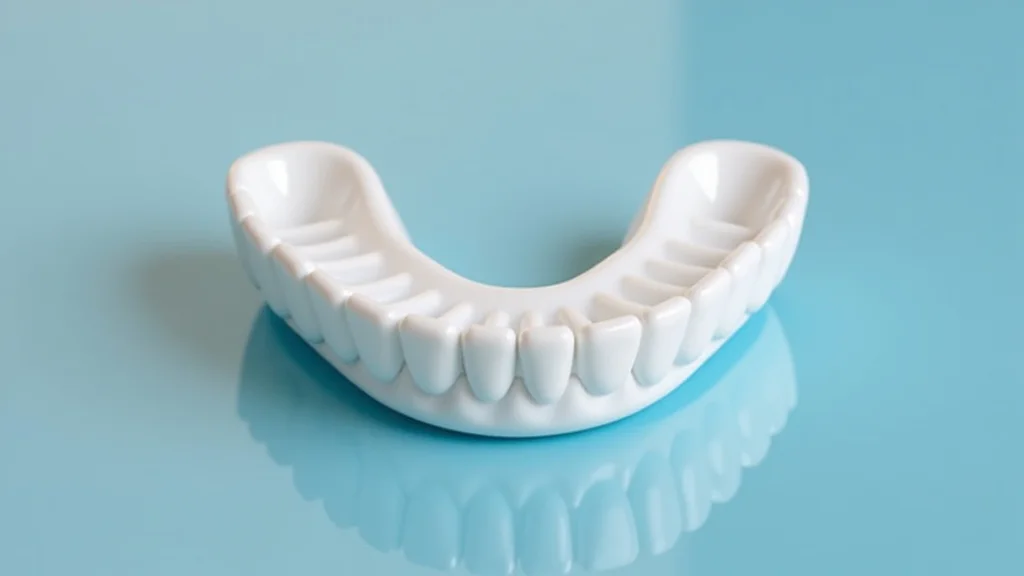

Remember that time your night guard started looking a little…questionable? Maybe a tinge of yellow, a hint of morning breath that lingered. We’ve all been there! A clean night guard is essential for both your oral health and for ensuring your appliance lasts as long as possible. Neglecting this crucial step can lead to bacteria build-up, potentially causing a host of problems. This post will explore the best methods for keeping your night guard spotless, offering step-by-step instructions, essential tips, and common mistakes to avoid. You’ll gain practical knowledge to maintain your night guard, improving its lifespan, your oral health, and ensuring you get a good night’s sleep without worrying about bacteria accumulation, all improving your time on page and reducing bounce rate.
The Importance of Cleaning Your Night Guard
Think about it: your night guard spends hours nestled in your mouth, exposed to saliva, bacteria, and any food particles that might linger. This environment is the perfect breeding ground for germs. If you’re not diligent about cleaning your night guard, it can quickly become a haven for bacteria, leading to various health issues. This neglect can not only cause a foul taste and odor, but it can also contribute to gum disease, bad breath, and other oral health problems. Regular cleaning is not just about aesthetics; it’s a vital part of maintaining overall well-being. Keeping it clean is also important to extend the life of your guard, avoiding costly replacements.
Why Cleaning Matters for Your Health
Your mouth is home to a diverse ecosystem of bacteria, some helpful and some harmful. When you don’t clean your night guard, these bacteria, along with food debris, accumulate on its surface. This buildup can lead to infections and irritation. Think about the potential for yeast and mold growth in a warm, moist environment like your mouth, especially if you have a compromised immune system. This constant exposure can also create an environment that encourages the growth of more harmful bacteria, which can then be ingested and cause illness. It’s a simple process with a big payoff.
- Preventing Infections: Regular cleaning eliminates bacteria that could trigger infections in your mouth or elsewhere in your body, from simple mouth sores to more serious problems.
- Avoiding Gum Disease and Tooth Decay: A night guard that isn’t clean can trap food particles, promoting the formation of plaque and tartar, which contribute to gum disease and tooth decay.
- Reducing Bad Breath: The bacteria that accumulate on your night guard are the primary culprit behind bad breath. Clean your night guard, and you’ll find your breath is significantly fresher.
Bacteria from an uncleaned night guard can cause oral thrush, a fungal infection that can cause white patches in your mouth. Regular cleaning helps reduce your risk of developing this issue.
The bacteria thrive in the presence of food particles, creating acids that erode tooth enamel. Brushing your teeth before wearing your guard is important, but cleaning the guard itself is still vital.
Eliminating these bacteria and the substances they produce is the key to minimizing bad breath. You may also want to brush your tongue.
The Impact on Night Guard Longevity
The material of your night guard, whether it’s soft or hard, is susceptible to wear and tear. Over time, bacteria and debris can erode the surface, causing discoloration, weakening the material, and reducing its effectiveness. Proper cleaning helps prevent this erosion, preserving the guard’s shape and integrity. Remember, a well-cared-for night guard is more likely to last longer, saving you money and hassle in the long run. Keeping it clean helps maintain its structure and function.
- Material Degradation: Bacteria and food particles can degrade the material of your night guard over time. This makes it less effective and reduces its lifespan.
- Discoloration and Odor: Without proper cleaning, your night guard can quickly discolor and develop an unpleasant odor. This not only affects the aesthetic appeal but can also make it uncomfortable to wear.
- Reduced Effectiveness: A night guard that’s been damaged or eroded may not fit properly, reducing its effectiveness in protecting your teeth from grinding.
These particles introduce abrasive elements that can wear down the guard. Additionally, the chemicals produced by bacteria can attack the plastics or resins used in the guard, causing it to break down.
Discoloration can be caused by food dyes, coffee, and other substances. Odor results from the accumulation of bacteria and their waste products.
A poorly fitting night guard won’t distribute pressure evenly, leaving your teeth vulnerable to damage.
Step-by-Step Guide: How to Clean Your Night Guard
Cleaning your night guard might seem like a simple task, but doing it correctly is vital for keeping it clean and germ-free. You don’t need any fancy equipment or products; the essentials are likely already in your home. These simple steps, when followed regularly, will significantly contribute to your oral hygiene, guard cleanliness, and comfort when wearing the appliance. This keeps your night guard in the best shape possible, and helps to eliminate the chances of dental issues and discomfort. Below you will find a breakdown to help you do it right.
Daily Cleaning Routine
Consistency is key to keeping your night guard clean and hygienic. The daily routine ensures that you remove surface debris and bacteria before they have the chance to accumulate. It’s a fast process that quickly becomes a habit. Setting up a consistent daily routine is important for your overall health. It helps you keep your night guard clean and germ free, and keeps it lasting as long as possible. Making it part of your evening hygiene practices ensures that your guard is ready and clean.
- Rinse Thoroughly: After removing your night guard, rinse it under cool, running water. This removes loose debris, food particles, and saliva.
- Brush Gently: Use a soft-bristled toothbrush and a small amount of mild soap or toothpaste to brush your night guard.
- Rinse Again: Rinse the night guard thoroughly under cool water to remove any soap or toothpaste residue.
- Air Dry: Allow your night guard to air dry completely before storing it.
Hot water can warp or damage the material of your night guard. Ensure you rinse the guard thoroughly to remove surface residue.
A soft brush helps remove plaque and bacteria without scratching the surface. Avoid using abrasive toothpaste, which can damage the guard.
Make sure you remove all traces of cleaning agents, which could irritate your mouth when you re-insert the guard.
This prevents the growth of mold and mildew. Store it in its case or a clean, dry place to protect it from dust and other contaminants.
Deep Cleaning Methods
While daily rinsing and brushing are sufficient for removing surface debris, you may also incorporate deep cleaning methods for a more thorough cleaning. These methods target tougher stains and bacteria, ensuring that your night guard stays fresh, clear, and hygienic. Deep cleaning not only keeps your night guard looking its best, but also helps to extend its lifespan and maintain the highest level of oral hygiene. Here are three recommended techniques for a deep clean:
- Soaking in Cleaning Solution: There are many products designed specifically for cleaning dental appliances. Soaking your night guard in one of these solutions can effectively eliminate bacteria.
- Using a Vinegar Solution: A simple mixture of water and white vinegar can act as an effective cleaning solution. The acidity of vinegar is helpful in dissolving stains and eliminating germs.
- Hydrogen Peroxide Solution: Hydrogen peroxide is a natural disinfectant that can be used to remove bacteria and stains.
Follow the manufacturer’s instructions for the soaking time. Use a solution to remove the residue and bacteria that brushing alone may not remove. After soaking, rinse the night guard thoroughly.
Mix equal parts of white vinegar and water, and soak your night guard for about 30 minutes. Rinse thoroughly afterwards, and make sure the vinegar smell is gone before re-inserting the guard.
Soak your night guard in a solution of equal parts of water and hydrogen peroxide for about 30 minutes. Make sure to rinse the guard thoroughly after soaking, and do not use hydrogen peroxide if your guard has metal parts.
Common Mistakes to Avoid
While cleaning your night guard is straightforward, there are a few common mistakes that can jeopardize its integrity and your oral health. Knowing these pitfalls helps you avoid them and ensure that your cleaning routine is effective. By avoiding these errors, you can extend the life of your guard, and you’ll have a cleaner and more effective night guard.
Harmful Cleaning Products
Some household items and cleaning agents are not suitable for cleaning night guards and can cause damage. Using the wrong products can degrade the material of your guard, affect its shape, and even be dangerous for your health. Avoid these common pitfalls to make sure you protect your night guard from any avoidable damage and health problems. Take care to ensure you protect your night guard from these cleaning product issues.
- Using Hot Water: Hot water can warp your night guard, causing it to lose its shape and fit. Always use cool or lukewarm water for rinsing and cleaning.
- Using Abrasive Cleaners: Abrasive cleaners and toothpastes can scratch the surface of your night guard, creating tiny grooves where bacteria can grow.
- Using Harsh Chemicals: Avoid cleaning your night guard with bleach, alcohol, or other harsh chemicals, which can damage the material and be harmful if ingested.
The materials used in night guards are often sensitive to heat. Always opt for water that is not too warm. This ensures your appliance maintains its original shape.
Choose gentle cleaning agents and toothbrushes to avoid damaging the surface of your guard. Avoid using any hard bristled brushes.
Such chemicals can cause both irritation and damage the guard. Stick to gentle, appliance-specific cleaning solutions or the methods outlined above.
Improper Storage Techniques
Where and how you store your night guard are just as important as how you clean it. Improper storage can lead to bacterial growth, damage to your guard, and even exposure to contaminants. Here’s a look at what constitutes proper storage techniques, and why they matter.
- Storing in a Closed Container: Always store your night guard in a case designed for it. This protects it from dust, bacteria, and physical damage.
- Storing in a Dry Place: Never store your night guard in a moist environment. Moisture promotes the growth of bacteria and other microorganisms.
- Storing Away from Direct Sunlight and Heat: Direct sunlight and heat can damage your night guard and change its shape. Store it away from direct sunlight, such as a window, and away from heat sources.
A closed container prevents airborne particles and other contaminants from settling on your guard. Make sure the container is clean and dry before you place your guard inside.
Always make sure your night guard is fully dry before storing it. If you store your guard in a moist environment, mold and mildew can grow rapidly.
Protecting your night guard from sunlight helps it last longer. Heat can warp the materials.
Tips for Prolonging the Life of Your Night Guard
Beyond cleaning, there are additional steps you can take to prolong the life of your night guard. These tips involve lifestyle adjustments and maintenance practices. The better you care for your night guard, the more effective it will be, saving you time and money on replacements. These simple habits keep your night guard in great shape for as long as possible.
Habits to Adopt
Incorporating specific habits into your daily routine can help extend the lifespan of your night guard and maintain its effectiveness. Developing these habits creates a system that’s easy to follow. They keep the guard in the best shape possible. These small changes make a big impact on your night guard and overall health.
- Rinse Your Mouth Before Use: Rinse your mouth with water or mouthwash before putting in your night guard to remove any food particles or debris.
- Avoid Sugary Drinks Before Bed: Limit sugary drinks like soda and juice before going to sleep. Sugar can contribute to bacterial growth and tooth decay.
- Visit Your Dentist Regularly: Regular dental check-ups are essential for monitoring your oral health and the condition of your night guard. Your dentist can catch any issues early on.
This prevents food particles from getting trapped between your teeth and the guard, promoting bacteria growth. Make it a part of your pre-sleep ritual.
Reducing sugar intake protects your teeth. Drink water instead, which helps wash away sugar and food particles.
A dentist can identify any damage to your night guard. They can make adjustments or recommend replacements if necessary.
Maintenance Practices
In addition to your daily cleaning routine, there are specific maintenance practices you should follow to keep your night guard in top condition. These practices include things like handling it with care and watching out for signs of wear and tear. These practices will maximize its effectiveness. They also keep your night guard working the way it should.
- Handle with Care: Always handle your night guard carefully. Avoid dropping or bending it, as this can cause damage.
- Inspect Regularly: Check your night guard regularly for signs of wear and tear, such as cracks, chips, or changes in shape. If you see any damage, consult your dentist.
- Replace as Needed: Your night guard will eventually need to be replaced. Consult your dentist if it’s no longer fitting well or showing signs of significant wear.
Your night guard is made of durable materials, but it can still be damaged with enough force. This also prevents contamination.
Small cracks can worsen over time. This can compromise its effectiveness. Regular inspections allow you to catch these issues early.
A worn-out night guard can be ineffective and potentially harmful. Replacing it as needed protects your teeth and overall oral health.
| Cleaning Method | Effectiveness | Frequency | Pros | Cons |
|---|---|---|---|---|
| Rinsing and Brushing | Moderate | Daily | Easy, quick, readily available | May not remove all bacteria |
| Cleaning Solution Soak | High | Weekly | Kills most bacteria, convenient | Requires purchasing a solution |
| Vinegar Soak | High | Monthly | Affordable, readily available | Vinegar smell may linger, requires thorough rinsing |
| Hydrogen Peroxide Soak | High | Monthly | Disinfecting, whitening properties | Requires careful rinsing, may not be suitable for all types of guards |
Frequently Asked Questions
Question: How often should I clean my night guard?
Answer: Clean your night guard daily, after each use, with a rinse and brush. You should also do a deep clean weekly or as needed, using a cleaning solution or vinegar.
Question: Can I use toothpaste to clean my night guard?
Answer: Yes, you can use toothpaste, but make sure it is a non-abrasive formula. Avoid whitening toothpastes or those with baking soda, as they can scratch the surface of your guard.
Question: What if my night guard has a bad odor?
Answer: If your night guard has a persistent odor, it means bacteria is present. Try a deep cleaning method like soaking it in a cleaning solution or vinegar. Make sure to consult your dentist if the odor persists.
Question: Should I use mouthwash to clean my night guard?
Answer: You can use mouthwash to rinse your night guard, but it’s not a substitute for brushing. Mouthwash alone won’t remove all the debris and bacteria. Use it to freshen the guard after cleaning.
Question: What do I do if my night guard turns yellow?
Answer: If your night guard turns yellow, it likely means staining from food, drinks, or medications. Try deep cleaning methods. Consider consulting your dentist, as the yellowing may indicate that the material is beginning to degrade.
Final Thoughts
Maintaining a clean night guard is not just a hygiene practice; it’s an investment in your oral health and overall well-being. By following the simple steps outlined in this post – rinsing, brushing, and, when needed, using deeper cleaning methods – you can ensure that your night guard remains an effective and safe appliance. Avoiding harmful cleaning products, storing your night guard correctly, and adopting preventative habits will prolong its life and effectiveness. Remember, a clean night guard contributes to fresher breath, healthier gums, and a more comfortable sleep. You now have the knowledge to maintain your night guard, and ensure your mouth is clean and fresh, and keep your guard working as well as possible. Get into the habit of cleaning your night guard every day. Your mouth will thank you.