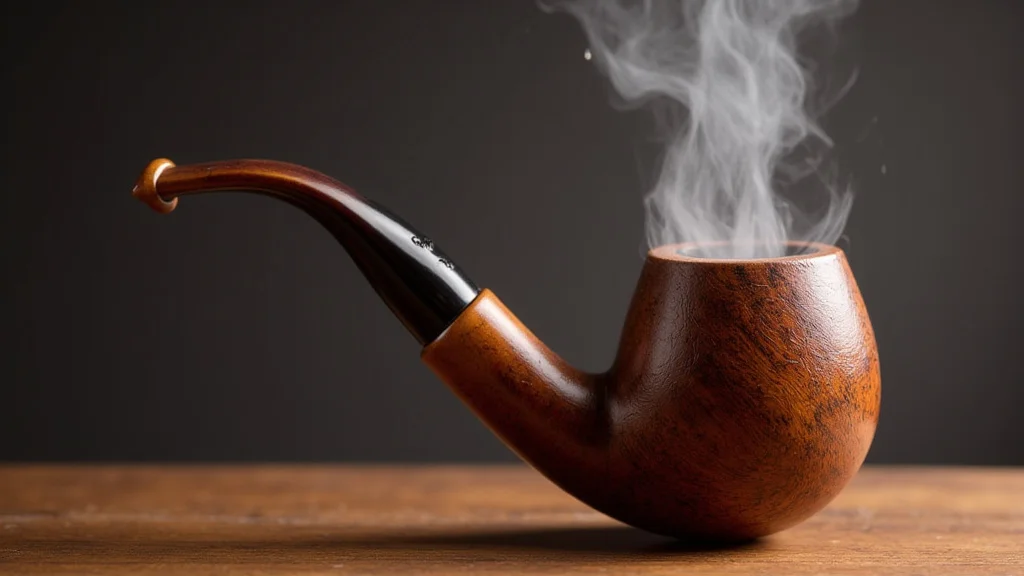

Ever found yourself staring at a pipe bowl coated in a thick layer of residue? That feeling of dread, knowing you’ve got a cleaning job ahead, is familiar to many pipe enthusiasts. Well, put those worries aside! This guide aims to help you master how to clean a pipe bowl, ensuring a clean and enjoyable smoking experience. We’ll explore practical techniques, simple tools, and essential tips that make cleaning effortless. You’ll gain the knowledge to maintain your pipes, resulting in better flavor, improved airflow, and extended pipe lifespan. Prepare to transform your approach to pipe maintenance and appreciate your pipes even more.
Understanding Pipe Bowl Anatomy and Residue
Before exploring the cleaning process, it’s key to comprehend the structure of a pipe bowl and the types of residue that accumulate. A pipe bowl comprises the main chamber where tobacco is packed and burned, often made from briar, meerschaum, or other materials. The bowl’s shape and size vary greatly, influencing the smoking experience. Understanding these aspects helps in selecting the proper cleaning method. The residue inside the pipe bowl is a complex mixture of ash, unburned tobacco, tar, and oils, creating a caked layer commonly called ‘cake’. This cake, when properly managed, protects the bowl. However, too much cake can restrict airflow and affect the taste. Identifying the nature of the residue is the initial step to how to clean a pipe bowl.
Types of Pipe Bowl Materials
The material of your pipe bowl is important in determining the right cleaning method. Briar is the most common material due to its heat resistance and ability to absorb moisture. Meerschaum, a soft mineral, offers a pure taste but can be more delicate. Clay pipes are a traditional choice, known for their ability to deliver a cool smoke. The material’s porosity impacts how the residue adheres and how it should be cleaned. For instance, meerschaum pipes might require gentler methods compared to more durable briar. Understanding these distinctions is fundamental to proper pipe care.
- Briar: Briar pipes are highly sought after due to their durability and heat resistance. Briar wood is exceptionally porous, allowing it to absorb moisture and create a dry smoking experience. Regular cleaning with pipe cleaners and gentle reaming is usually sufficient to maintain briar pipes.
- Meerschaum: Meerschaum pipes are appreciated for their natural beauty and the clean flavor they deliver. Meerschaum is a soft, porous mineral, so you must clean them more carefully to avoid damage. Avoid harsh chemicals and focus on gentle methods.
- Clay: Clay pipes are one of the oldest pipe materials, offering a pure smoking experience. Clay is porous and can be more fragile than other materials. Cleaning involves a balance of removing residue without damaging the clay.
- Corncob: Corncob pipes are a budget-friendly option, known for their quick break-in period and disposable nature. Cleaning corncob pipes is usually straightforward, often involving a pipe cleaner and reaming to remove residue.
The Nature of Pipe Residue
The residue inside a pipe bowl, commonly known as ‘cake,’ comprises several elements. This cake is not necessarily a bad thing; a thin layer of cake protects the bowl from burning. However, excessive buildup can hinder airflow and ruin the flavor. This residue includes ash, unburned tobacco particles, tar, and condensed oils. These components combine to form a hard, dark coating that impacts both the function and taste of your pipe. Learning how to properly manage and remove this residue is a cornerstone of pipe maintenance.
- Ash: Ash is the most evident residue, resulting from the combustion of tobacco. Its accumulation impacts airflow and can obstruct the passage.
- Unburned Tobacco: Some unburned tobacco bits stick to the bowl’s sides, forming part of the cake. This leads to an inconsistent burn and poor flavor.
- Tar: Tar is a thick, sticky substance produced during combustion. It clings to the bowl walls and affects the taste.
- Oils: Tobacco oils contribute to the flavor but can also affect airflow if they build up excessively. They require regular cleaning to prevent a rancid taste.
Essential Tools for Cleaning a Pipe Bowl
Having the right tools is essential to efficiently and effectively how to clean a pipe bowl. The proper equipment can make the cleaning process safer and more enjoyable, while protecting your pipe. Here’s a rundown of the essential tools every pipe smoker should have: from basic pipe cleaners to specialized reamers. These tools ensure your pipes maintain peak performance and that they provide an enjoyable smoking experience.
Pipe Cleaners
Pipe cleaners are the workhorses of pipe cleaning. They are small, absorbent sticks made from cotton or other materials. These are perfect for removing moisture and loose debris from the stem and bowl. Pipe cleaners come in various sizes and materials, with the appropriate type depending on the specific pipe and the area being cleaned. Regular use of pipe cleaners keeps your pipe clear of obstructions and helps prevent the buildup of residue.
- Bristle Pipe Cleaners: These cleaners have stiff bristles that help scrape away stubborn residue. They are useful for removing build-up from the bowl and stem.
- Fluffy Pipe Cleaners: These are the standard pipe cleaner, ideal for absorbing moisture and wiping away lighter residue. They’re good for daily use to keep your pipe clean.
- Extra-Absorbent Pipe Cleaners: These cleaners are designed to absorb more moisture and tar. They are particularly effective when cleaning the stem or airway.
- Paper Wrapped Pipe Cleaners: The paper wrapping helps maintain the cleaner’s shape and provides added absorbency. They are suitable for intensive cleaning.
Pipe Reamers
A pipe reamer is a vital tool for managing the cake buildup inside the bowl. It is designed to gently scrape away excess cake, ensuring the bowl maintains a consistent thickness. Reamers come in various sizes and styles, allowing you to match the tool to the specific pipe’s bowl shape and size. Using a reamer prevents the bowl from becoming too small over time due to excessive cake buildup, and it helps maintain the pipe’s original design.
- Adjustable Reamers: These reamers allow you to set the cutting depth, offering control over the amount of cake removed.
- Fixed Reamers: These have a set cutting depth, usually designed for specific pipe sizes. They are easy to use but may not be as versatile.
- Combination Reamers: These offer various reaming heads, suitable for different bowl shapes and sizes. They are suitable for smokers with various types of pipes.
- Spiral Reamers: These reamers use a spiral cutting action, which can remove cake more efficiently while reducing the risk of damaging the bowl.
Other Helpful Tools
Besides pipe cleaners and reamers, several other tools will help you to clean your pipe bowl. These tools will offer a comprehensive approach to pipe maintenance. From scraping tools to alcohol and specialized brushes, each tool serves a specific purpose, contributing to the overall cleanliness and longevity of your pipes.
- Pipe Tool: A pipe tool usually includes a tamper, a pick, and a reamer. These tools help to pack tobacco, clear the airway, and scrape the bowl.
- Scrapers: Small, flat tools with a curved edge are useful for removing stubborn residue from the bowl’s bottom and sides.
- Alcohol (Isopropyl): Isopropyl alcohol is an effective solvent for dissolving tar and oils. Use it with pipe cleaners for deeper cleaning.
- Cotton Swabs: Useful for cleaning intricate areas of the pipe, like the mortise and tenon.
- Pipe Stands: These hold the pipe upright, allowing moisture to drain and air to circulate after cleaning.
Step-by-Step Guide on How to Clean a Pipe Bowl
Knowing how to clean a pipe bowl step-by-step is an important skill for any pipe smoker. This detailed, easy-to-follow guide will walk you through the entire process. From the initial inspection of your pipe to the final stages of reassembly, each step is designed to ensure a thorough cleaning. By following these steps, you’ll not only clean your pipes effectively, but also understand the importance of each step. This process will help you enjoy the best flavors from your tobacco.
Initial Preparation and Disassembly
Before beginning the cleaning process, start by assembling all the tools you’ll need. This preparation minimizes interruptions and streamlines your cleaning routine. Disassembling the pipe is a critical first step. This usually involves removing the stem from the bowl. This separation allows you to clean each part separately and ensures that no residue is trapped inside. Ensure the pipe is cool to avoid damage. This initial disassembly sets the stage for a thorough and safe cleaning process.
- Gather Your Tools: Ensure you have pipe cleaners, a pipe tool, alcohol (isopropyl), cotton swabs, and a pipe reamer on hand.
- Allow the Pipe to Cool: Never disassemble a hot pipe. Let it cool down completely to prevent any potential damage.
- Remove the Stem: Gently twist and pull the stem away from the bowl. Be careful not to apply excessive force, which could damage the mortise.
- Inspect the Pipe: Examine the bowl and stem to assess the level of residue and the overall condition of the pipe.
Cleaning the Bowl
Cleaning the bowl is the core of the process for how to clean a pipe bowl. This involves removing the built-up cake and ensuring the bowl’s interior is free of residue. Start by using a pipe reamer or your pipe tool to scrape away excess cake, taking care not to remove too much material. Follow this with a thorough cleaning using pipe cleaners and alcohol to remove any remaining tar or oil. Proper bowl cleaning guarantees a good flavor and an extended pipe lifespan.
- Ream the Bowl: Use a pipe reamer to remove excess cake, maintaining a thin, even layer. Ream carefully to avoid damaging the briar or other materials.
- Wipe with Pipe Cleaners: Insert a pipe cleaner into the bowl and twist and turn it to absorb residue and moisture.
- Use Alcohol for Stubborn Residue: Dip a pipe cleaner in isopropyl alcohol and insert it into the bowl to loosen persistent tar and oils.
- Dry the Bowl: Allow the bowl to air dry completely, or speed up the process by using a dry pipe cleaner.
Cleaning the Stem and Airway
Cleaning the stem and airway is essential for maintaining airflow and ensuring a satisfying smoke. The stem often accumulates tar and moisture, leading to restricted airflow and unpleasant tastes. Start by running a pipe cleaner dipped in alcohol through the stem. Then, use additional dry pipe cleaners to absorb any remaining moisture and residue. Focus on clearing the airway from any blockages that might be present. This focused cleaning action ensures your pipe offers maximum performance and delivers a clean flavor.
- Clean the Stem: Use a pipe cleaner dipped in isopropyl alcohol to clean the stem. Push the cleaner through, removing tar and oils.
- Clear the Airway: Insert a pipe cleaner into the airway, twisting and pushing to dislodge any blockage.
- Dry the Stem: Use dry pipe cleaners to absorb moisture and residue, ensuring the stem is completely dry.
- Inspect and Repeat: Check the stem and airway for any remaining residue. Repeat the cleaning process if needed to get a clean stem.
Maintenance Tips for a Clean Pipe Bowl
Regular maintenance is essential to keeping your pipes clean and ensuring an enjoyable smoking experience. Following a set maintenance schedule is the best strategy. Daily and weekly maintenance, combined with occasional deep cleaning, will extend the life of your pipes and maintain their optimum performance. These habits prevent excessive buildup of residue, ensure proper airflow, and preserve the flavor of your tobacco. The right approach ensures you know how to clean a pipe bowl, but also how to keep it clean.
Daily and Weekly Cleaning Routines
Daily and weekly cleaning routines contribute significantly to maintaining the cleanliness of your pipes. Regularly cleaning your pipe after each use will prevent excessive buildup of residue, ensuring consistent performance. Weekly maintenance might involve a more thorough cleaning process, including the use of alcohol and pipe reamers. Establishing these routines ensures your pipes remain in excellent condition. This approach will also improve the enjoyment of your smoking experience.
- After Each Smoke: After each smoke, let the pipe cool. Use a pipe cleaner to remove moisture and loose debris.
- Weekly Deep Cleaning: Once a week, clean the bowl with a pipe reamer to remove excess cake. Clean the stem and airway with alcohol-soaked pipe cleaners.
- Air Dry Properly: Allow your pipes to air dry between uses, either upright or on a pipe stand. This prevents moisture buildup.
- Rotate Your Pipes: Give your pipes a rest between smokes. Rotating them allows for full drying and prevents over-saturation with moisture.
Cake Management and Bowl Protection
Proper cake management is vital for the long-term health of your pipe bowl. While a thin layer of cake protects the briar, too much can restrict airflow and affect the taste. The correct amount of cake prevents the bowl from burning through. Bowl protection also means avoiding harsh chemicals and using gentle cleaning methods. Regular inspection and cake management are essential to maintaining your pipes. This approach helps in extending their lifespan.
- Monitor Cake Thickness: Use a pipe reamer to maintain an even layer of cake, typically about the thickness of a dime.
- Avoid Over-Reaming: Remove only excess cake, and be careful not to damage the bowl’s interior.
- Use a Filter: Filters can absorb moisture and reduce the amount of residue that builds up in the bowl.
- Regular Inspection: Inspect your pipes frequently for any signs of damage or excessive cake buildup, and adjust your cleaning routine accordingly.
Storage and Care Practices
How you store and care for your pipes impacts their longevity and performance. Storing pipes correctly ensures they remain dry and ready for use. Proper storage involves keeping your pipes in a cool, dry place and using pipe stands. Protect them from direct sunlight or extreme temperatures. These storage practices help prevent damage and maintain the structural integrity of your pipes. This approach will also contribute to their extended lifespan and performance.
- Store in a Dry Place: Keep your pipes in a cool, dry location away from direct sunlight and extreme temperatures.
- Use Pipe Stands: Pipe stands allow air circulation and help pipes dry out after use.
- Protect from Damage: Avoid dropping or exposing your pipes to harsh conditions. Treat them carefully.
- Rotate and Rest: Give your pipes time to rest between uses. Rotate between several pipes to avoid overworking any one pipe.
Frequently Asked Questions
Question: How often should I clean my pipe?
Answer: It’s best to clean your pipe after each use with a pipe cleaner. A deeper cleaning with a reamer and alcohol should be done weekly or when the flavor or draw of the pipe starts to suffer.
Question: Can I use water to clean my pipe?
Answer: Avoid using water to clean your pipe, as it can damage the briar and other materials. Instead, use pipe cleaners and isopropyl alcohol for effective cleaning.
Question: What is the purpose of the cake inside a pipe bowl?
Answer: A thin layer of cake inside the bowl protects the briar from heat damage. However, too much cake can restrict airflow and affect the taste.
Question: How do I remove stubborn residue from the stem?
Answer: Use a pipe cleaner dipped in isopropyl alcohol and work it through the stem. Allow the alcohol to sit and break down the residue, then wipe with a dry cleaner.
Question: What should I do if my pipe has a burnt-out bowl?
Answer: If the bowl has burnt through, consult a pipe repair expert. They can often repair the bowl by replacing the damaged section.
Final Thoughts
Understanding and practicing how to clean a pipe bowl is essential for any pipe smoker. This guide explored every step in the process, from basic tools to advanced techniques. Cleaning your pipes regularly not only enhances the smoking experience but also extends their lifespan. Regular maintenance ensures the best flavors from your tobacco. It helps maintain the pipes’ structural integrity. By following the tips in this guide, you can confidently maintain your pipes. Embrace these practices to enjoy a more pleasurable and lasting pipe smoking experience. Maintain your pipes’ condition and savor the rich taste of your tobacco.