
Ugh, there’s nothing worse than the musty smell of a wet carpet, especially when you suspect mold is the culprit. Imagine you’ve had a leaky pipe, or maybe just a particularly rainy season. You lift your rug, and there it is: those telltale dark spots. But don’t panic! This guide gives you the steps to remove mold from your carpet and keep your home healthy. You’ll learn the best methods, safety measures, and even some DIY solutions. By the end, you’ll be well-equipped to tackle the problem and restore your carpets to their former glory, improving your home’s air quality and protecting your family.
Recognizing and Assessing Carpet Mold Problems
Before you start cleaning, it’s key to identify the type and extent of the mold problem. Not all discolored patches on your carpet are necessarily mold. Sometimes it’s simply dirt or stains. True mold growth often has a distinct musty odor. It can also appear in various colors, from black and green to white or orange. Assessing the situation is vital for determining the appropriate cleaning approach. Ignoring a mold issue can lead to serious health issues, as mold spores can trigger allergic reactions or respiratory problems. Addressing the problem quickly and effectively is extremely important.
Identifying Mold Types and Signs
Mold can take on many appearances. The most common varieties found in homes include Aspergillus, Cladosporium, and Penicillium. Aspergillus appears in a range of colors, often green or black, and can be found on a variety of surfaces. Cladosporium is frequently seen on textiles, including carpets, and has a speckled appearance. Penicillium has a blue or green hue and thrives in damp environments. Beyond visual cues, the smell is often a giveaway. A persistent musty smell, even without visible mold, may mean mold is present within your carpet or beneath it. Be sure to check underneath the carpet and along the edges.
- Visual Inspection: Carefully examine your carpet, paying close attention to areas that have experienced moisture, such as near windows, under leaky pipes, or in basements. Look for any discoloration, fuzzy growths, or dark spots. If you see spots or discoloration, you may have a mold problem.
- Smell Test: A persistent, musty smell is a strong indicator of mold, even if you can’t see it. This odor comes from microbial volatile organic compounds (mVOCs) released by the mold.
- Health Symptoms: Do you or members of your household experience symptoms like sneezing, coughing, watery eyes, or skin rashes when in contact with the carpeted area? These symptoms may indicate mold exposure.
- Hidden Growth Areas: Check under furniture, near walls, and in corners where moisture may have accumulated. Mold can be hidden in these hard-to-reach places.
Determining the Extent of the Infestation
After you have identified the mold presence, it’s critical to determine its extent. A small patch of mold can often be dealt with using DIY methods. However, if the mold covers a large area of your carpet (more than 10 square feet), or if it has spread to the underlying padding or subfloor, it may require professional help. Also, consider the materials affected. Mold on porous materials like carpet is often more difficult to eliminate than on hard surfaces. Severe infestations may necessitate removing and replacing the affected carpet and padding. Ignoring this could lead to the recurrence of the mold issue.
- Size of the Affected Area: Measure the area of mold growth. Small areas might be manageable with DIY solutions. Large areas usually require professional intervention.
- Depth of Penetration: Has the mold penetrated only the carpet fibers, or has it reached the padding and subfloor? Check the carpet’s backing and the area beneath it to determine the depth of the infestation.
- Type of Material: Carpet materials vary in their ability to resist mold. Synthetic carpets are often less prone to mold growth than natural fiber carpets. This difference can change how you deal with the problem.
- Presence of Water Damage: If the mold growth is related to water damage (e.g., from a leak or flood), assess the water source and any related damage. Addressing the source of moisture is key.
Safety First: Protecting Yourself During Mold Removal
Cleaning mold is not just about removing stains. It’s also about protecting yourself and your family from exposure to mold spores. Mold exposure can trigger a range of health issues, especially for people with allergies or respiratory sensitivities. This section provides the necessary safety steps to ensure the cleaning process is safe and effective. It involves the use of personal protective equipment (PPE) and implementing strategies to prevent the spread of mold spores throughout your home. Taking these precautions is important to prevent health problems and to ensure your cleaning efforts don’t cause the problem to get worse.
Essential Personal Protective Equipment (PPE)
The right PPE is essential to protect you from mold spores. These spores are microscopic and can easily become airborne. They are breathed into your lungs or land on your skin, possibly causing allergic reactions or other health problems. Investing in appropriate PPE will help minimize your exposure and allow you to work more safely. Remember, your health should be your top priority. Make sure the PPE fits well and is worn consistently throughout the cleaning process.
- Respirator: An N95 or higher-rated respirator is crucial. This will filter out mold spores from the air you breathe. Be sure the respirator fits correctly and that you replace it regularly, as the filter can become clogged.
- Gloves: Wear long, waterproof gloves to protect your hands and skin from mold exposure and cleaning chemicals. Latex, nitrile, or rubber gloves are all good options, but make sure they reach up your forearm.
- Eye Protection: Wear safety goggles or glasses to keep mold spores and cleaning solutions out of your eyes. These should fit snugly around your eyes to provide a good seal.
- Protective Clothing: Wear old clothes that you don’t mind getting dirty. Cover all exposed skin to avoid direct contact with mold spores. Consider wearing disposable coveralls.
Containment and Ventilation Strategies
Preventing the spread of mold spores is key. Mold can easily travel through your home and contaminate other areas. Before you begin cleaning, create a barrier around the affected area to contain the spores. Good ventilation is also a must. Proper ventilation will help to remove airborne spores and moisture, speeding up the drying process. These steps are simple but they make a big difference in controlling the spread of mold and ensuring the effectiveness of the cleaning process. Taking these steps also helps to make sure you do not have to repeat the cleaning work later.
- Isolate the Area: Close doors and windows in the affected room. Seal off air vents to prevent spores from spreading to other parts of your home. You can use plastic sheeting and tape to further isolate the area, creating a barrier.
- Ventilation: Open windows or use fans to improve ventilation. This helps remove mold spores from the air and prevents moisture buildup. If possible, use an exhaust fan to pull air out of the room.
- Air Purifiers: Using an air purifier with a HEPA filter can help remove airborne mold spores. Place the air purifier near the cleaning area to capture any released spores. Make sure the air purifier is rated for the size of the room.
- Avoid Disturbing the Mold: Try to handle mold-infested materials as little as possible. Doing so decreases the release of spores into the air.
Effective DIY Methods for Cleaning Mold Out of Carpet
If you’ve determined your mold problem is manageable, there are several effective DIY methods to clean mold out of carpet. These solutions are cost-effective and allow you to take immediate action. The key is to start with a careful assessment of the mold growth and use the right tools and cleaning agents. Make sure you test any cleaning solution on an inconspicuous area of your carpet first, to ensure it does not cause discoloration or damage. Remember to always prioritize safety by wearing appropriate PPE. Following these steps can help you eliminate mold, restore your carpet, and create a healthier home.
Preparing Your Carpet for Cleaning
Prior to cleaning, properly preparing your carpet is a key step. This involves a thorough cleaning and vacuuming. This prepares the surface for the mold-removal process and increases the effectiveness of the cleaning solutions. By eliminating loose debris and dirt, you ensure that the cleaning agents can directly target the mold. Careful preparation will enhance the effectiveness of the cleaning agents and improve the final results. Be patient and take the time needed to thoroughly prepare your carpet to ensure the best outcome.
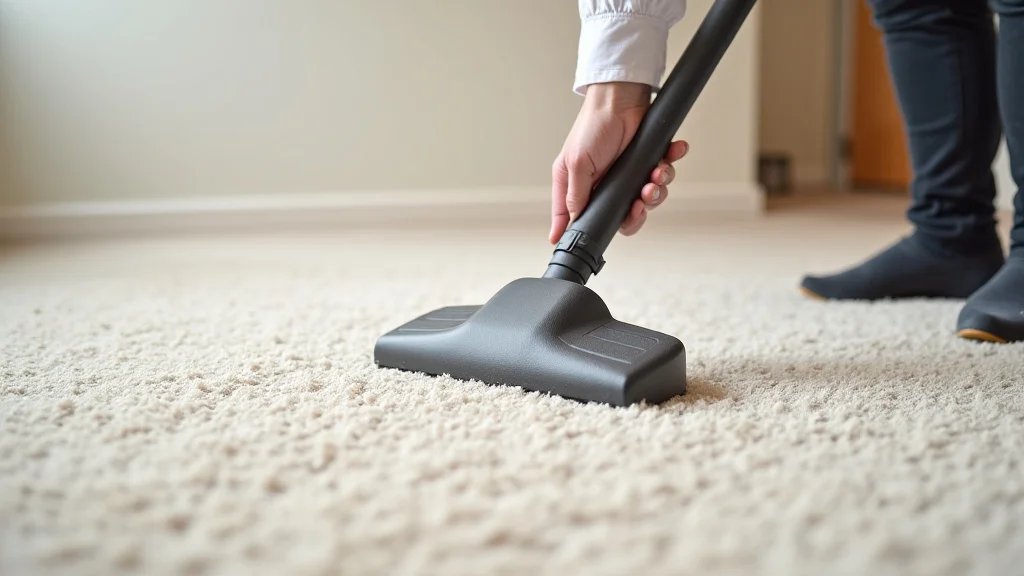
- Vacuuming: Thoroughly vacuum the entire carpet area to remove loose dirt, debris, and any visible mold spores. Use a vacuum cleaner with a HEPA filter to capture these microscopic spores.
- Furniture Removal: If possible, remove furniture and other objects from the affected area. This allows you to access the entire carpet surface and to ensure that you do not miss areas.
- Air Out the Room: Open windows and doors to increase air circulation. This helps to dry the carpet and reduce the likelihood of further mold growth. Ensure good ventilation to avoid moisture build-up.
- Assess the Padding: Carefully check the carpet padding for signs of mold. If the padding is heavily mold-infested, it may need to be removed and replaced.
Cleaning Solutions: Vinegar, Baking Soda, and More
Several home remedies can be used to treat mold. The best choice of cleaning solution will depend on the severity of the mold and the type of carpet material. Vinegar is an excellent natural mold killer. Baking soda is effective for removing mold and absorbing odors. Commercial mold cleaners provide more powerful solutions, but require special precautions. Always test your chosen cleaning solution on a small, hidden area of the carpet first to check for color changes or damage. Following these instructions will help you choose and use the most effective cleaning solution for your needs.
- White Vinegar: Vinegar is a natural anti-fungal agent that is useful for killing mold. Mix equal parts white vinegar and water in a spray bottle. Spray the mixture onto the affected area, let it sit for about an hour, then blot with a clean cloth or sponge.
- Baking Soda: Baking soda is a mild abrasive that can help remove mold and absorb odors. Sprinkle baking soda liberally onto the affected area and allow it to sit for several hours or overnight. Then, vacuum thoroughly.
- Hydrogen Peroxide: Hydrogen peroxide is an effective disinfectant that can kill mold. Mix 3% hydrogen peroxide with water in a spray bottle and apply it to the affected area. Let it sit for 10-15 minutes, then blot with a clean cloth.
- Commercial Mold Cleaners: Commercial mold cleaners are designed to eliminate mold. Carefully read and follow the instructions on the product label. Make sure to choose a cleaner that is safe for your carpet type and to wear PPE when using it.
Step-by-Step Cleaning Process
Now, let’s explore the step-by-step cleaning process for how to clean mold out of carpet. These steps offer a thorough, systematic approach to removing mold and restoring your carpet. Following these procedures will maximize the effectiveness of your efforts and increase your chances of getting rid of mold for good. Remember to be patient, take your time, and follow each step to ensure your work will be as effective as possible. Also, always remember to work in a well-ventilated area and wear your PPE.
- Apply Cleaning Solution: Choose your cleaning solution (vinegar, baking soda, hydrogen peroxide, or a commercial cleaner) and apply it to the affected area. Spray the solution evenly, or sprinkle the powder.
- Allow to Dwell: Let the cleaning solution sit on the carpet for the recommended time. This will allow the cleaning agent to penetrate the mold and start breaking it down.
- Scrub the Area: Use a brush to gently scrub the affected area, working in a circular motion. This will help to loosen the mold and lift it from the carpet fibers.
- Blot and Rinse: Use a clean cloth or sponge to blot the area and remove the cleaning solution and mold. If necessary, rinse the area with clean water to remove any residue.
- Dry the Carpet: Use fans or a dehumidifier to completely dry the carpet. This is essential to prevent mold from returning. Make sure the carpet is completely dry before replacing furniture.
When to Seek Professional Help
While DIY methods can be effective, there are situations where seeking professional help is the better option. Professional mold remediation companies have specialized equipment, expertise, and training to safely and effectively handle mold problems. Deciding when to call for help will ensure the safety of your family and the complete removal of the mold. Professional intervention can save you time, effort, and possibly future health problems. Recognizing when the problem is beyond your capabilities is a key part of the cleanup process.
Signs That Professional Remediation Is Necessary
Knowing the signs that suggest professional help is needed can save you time and potential risks. These professionals can conduct thorough inspections, identify the source of the moisture, and execute efficient mold removal. If you notice any of these signs, consider bringing in the professionals. Ignoring these warning signs can result in more serious mold-related problems. Their expertise can ensure that the mold is eliminated and that the affected area is restored to a safe and healthy condition. Don’t take chances when your family’s health is at stake.
- Extensive Mold Growth: If the mold covers a large area (more than 10 square feet), or if it has spread to the subfloor or other structural components, professional help is generally necessary. Professionals can deal with large-scale infestations effectively.
- Hidden Mold: If you suspect mold is present behind walls, under flooring, or in other hard-to-reach areas, a professional can conduct a thorough inspection and locate the mold.
- Recurrent Mold Problems: If mold keeps returning despite your cleaning efforts, a professional can identify the underlying causes and provide a long-term solution.
- Health Concerns: If someone in your home experiences severe allergic reactions, respiratory problems, or other health issues that you believe are related to mold exposure, a professional can help to assess the situation.
The Professional Mold Remediation Process
The process of mold remediation by professionals usually involves several steps. Each step plays a role in removing mold, preventing its spread, and preventing a recurrence. Understanding the process can give you a clear picture of what to expect if you choose to hire a mold remediation company. The process typically starts with an inspection and evaluation, followed by the actual removal of mold, then cleaning and sanitization. The goal is to address the issue completely and create a safe and healthy environment.
- Inspection and Assessment: The professional will inspect the affected area to determine the extent of the mold growth and identify the source of the moisture.
- Containment: The remediation team will isolate the affected area to prevent the spread of mold spores to other parts of your home.
- Mold Removal: The professionals will remove the mold from the carpet and affected surfaces using specialized equipment and techniques.
- Cleaning and Sanitization: The area will be thoroughly cleaned and sanitized to remove any remaining mold spores and to prevent future growth.
- Drying: The area will be dried completely using specialized equipment to prevent future mold growth.
- Final Inspection: The professionals will conduct a final inspection to ensure that the mold has been removed.
Preventing Future Mold Growth in Your Carpet
Cleaning mold out of your carpet is only part of the battle. Preventing future mold growth is key to maintaining a healthy home environment. Making small changes can prevent a recurrence of the problem and protect your family from mold exposure. This involves controlling moisture, practicing good ventilation, and routine carpet care. Remember, prevention is often easier and less costly than dealing with a mold outbreak. By implementing these preventative strategies, you can reduce the chances of future mold problems.
Moisture Control and Ventilation Tips
Controlling moisture is the most important factor in preventing mold growth. Mold thrives in damp environments, so controlling moisture is the most effective prevention strategy. Simple steps, like promptly addressing leaks, ensuring adequate ventilation, and managing humidity levels, can significantly reduce the risk of mold. Regular monitoring and quick responses to any signs of moisture will protect your carpet and home. Making these adjustments will help in making your home a healthier place.
- Address Leaks Promptly: Repair any leaks in your roof, pipes, or other areas as soon as possible.
- Improve Ventilation: Ensure proper ventilation in your home, especially in bathrooms, kitchens, and basements, to help remove moisture. Use exhaust fans and open windows when appropriate.
- Control Humidity: Maintain indoor humidity levels below 60% using a dehumidifier, especially in humid climates or during periods of high rainfall.
- Dry Wet Carpets Quickly: If your carpet gets wet due to a spill or leak, dry it completely as soon as possible. Use fans, a dehumidifier, and proper ventilation.
Routine Carpet Care and Maintenance
Regular carpet care and maintenance will also help to prevent mold growth. Keeping your carpet clean and dry helps in eliminating the food source for mold and preventing its growth. Routine vacuuming, prompt stain removal, and professional cleaning can all contribute to keeping your carpets healthy. Also, regular inspections will help to catch potential problems early. By making these habits a part of your routine, you can increase the lifespan of your carpet and lower your risk of mold problems.
- Regular Vacuuming: Vacuum your carpet at least once a week to remove dirt, dust, and other debris that can encourage mold growth. If you have pets or live in a high-traffic area, you may need to vacuum more often.
- Prompt Stain Removal: Clean up spills and stains immediately to prevent moisture from seeping into the carpet fibers. Follow the manufacturer’s instructions for cleaning.
- Professional Cleaning: Have your carpets professionally cleaned at least once a year, or more often in high-traffic areas. Professional cleaners can remove deep-seated dirt and allergens that you might not be able to get rid of on your own.
- Inspect Regularly: Periodically inspect your carpet for signs of mold, such as discoloration or a musty smell. Address any issues promptly.
Frequently Asked Questions
Question: What is the best way to clean mold from carpet?
Answer: The best way to clean mold from carpet is to identify the type and extent of the mold growth. Then, choose a safe and effective cleaning solution like vinegar, baking soda, or a commercial mold cleaner. Always test in an inconspicuous area, and wear PPE when cleaning.
Question: Can I use bleach to clean mold out of my carpet?
Answer: Bleach can kill mold, but it’s not always the best choice for carpet because it can damage fibers and discolor the material. When using bleach, always test in a small area first and follow product instructions carefully.
Question: How do I know if the mold is gone?
Answer: After cleaning, the musty odor should disappear. There should be no visible signs of mold. Keep an eye out for any regrowth, and monitor air quality for any negative symptoms.
Question: What causes mold to grow on carpet?
Answer: Mold needs moisture, a food source (like carpet fibers), and a suitable environment (warm temperatures) to grow. Leaks, high humidity, and poor ventilation can all lead to mold.
Question: When should I call a professional for mold removal?
Answer: You should call a professional if the mold covers a large area, is hidden, keeps returning, or if you have health concerns related to mold exposure.
Final Thoughts
Keeping a clean, mold-free home is an important part of promoting health and comfort. If you’ve discovered mold in your carpets, this guide has given you a clear, step-by-step approach for how to clean mold out of carpet. Remember the importance of safety. Proper PPE is essential to protect yourself while you work. By assessing the problem, following these cleaning methods, and taking steps to prevent future growth, you can efficiently eliminate mold and restore your carpets. Don’t delay—act fast when you discover mold, protect your home, and safeguard your health. With the right strategies and a bit of effort, you can solve the problem and keep your home a healthy place to be.